### Assessing Your Garage's Insulation: Best Practices for Heating and Cooling Your Garage
When it comes to creating a comfortable and energy-efficient garage environment, insulation is the cornerstone of your efforts. Keep track of your garage door maintenance schedule in your home maintenance planner Improving Garage Insulation for Better Energy Efficiency knowledge. Replace the batteries in your remote control as part of regular maintenance emergency garage door repair Manhattan electrical wiring. Whether you're transforming your garage into a workshop, a home gym, or simply want to maintain an optimal temperature for vehicle storage, assessing and improving your garage’s insulation is essential. Proper insulation not only enhances comfort but also significantly reduces heating and cooling costs. Here’s how you can evaluate and upgrade your garage insulation for better climate control.
#### Understanding Insulation Types
Before diving into an assessment, it's important to understand the various types of insulation available. The most common forms include fiberglass batts, rigid foam boards, spray foam, and reflective barriers. Each type has unique properties suitable for different parts of the garage:
- **Fiberglass Batts**: Ideal for walls and ceilings; they are easy to install but require careful handling.
- **Rigid Foam Boards**: Perfect for walls and doors; they offer high R-values (a measure of thermal resistance) with minimal thickness.
- **Spray Foam**: Excellent for sealing gaps in hard-to-reach areas; it provides both insulation and air-sealing capabilities.
- **Reflective Barriers**: Often used in conjunction with other insulations; these reflect radiant heat away from the interior.
#### Initial Assessment Steps
1. **Visual Inspection**: Begin by conducting a visual inspection of your garage's current state. Check the walls, ceiling, door seals, windows (if any), and floor for existing insulation materials or gaps.
2. **Thermal Imaging Camera**: For a more detailed analysis, consider using a thermal imaging camera. This device will highlight cold spots where heat may be escaping during winter or entering during summer.
3. **Check R-Values**: Determine the R-value of any existing insulation material. The U.S. Department of Energy recommends specific R-values depending on your climate zone—typically ranging from R13 to R30+ for garages.
4. **Air Leaks Test**: Conduct an air leaks test by closing all doors and windows on a windy day or using a smoke pen around suspected leak areas like window frames and electrical outlets.
#### Improving Insulation
Once you've assessed the current state of your garage's insulation, it's time to make improvements:
1.
Choosing the Right Heating System: Best Practices for Heating and Cooling Your Garage
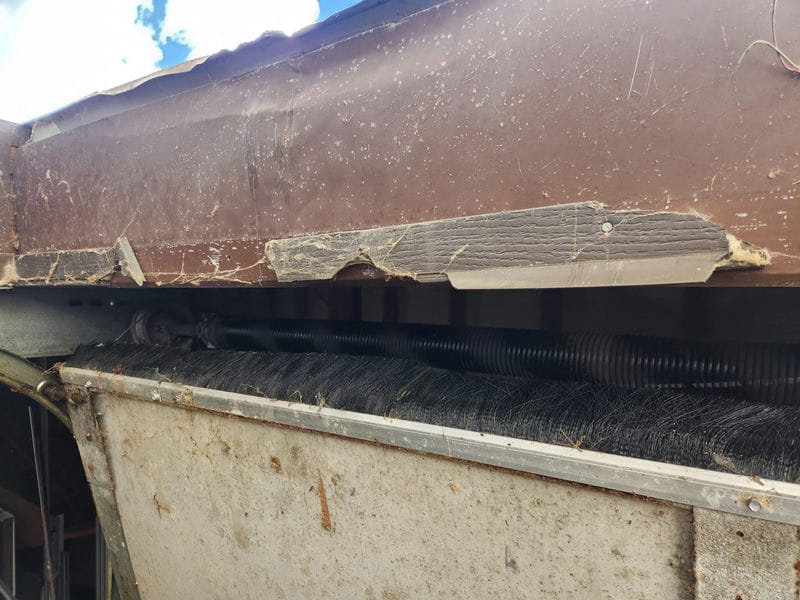
Maintaining a well-functioning garage door requires more than just regular usage and occasional inspections; it necessitates an integrated approach that includes both proper ventilation and diligent maintenance practices.. While the role of ventilation in maintaining garage door mechanisms often goes unnoticed, its significance cannot be overstated.
Posted by on 2024-06-22
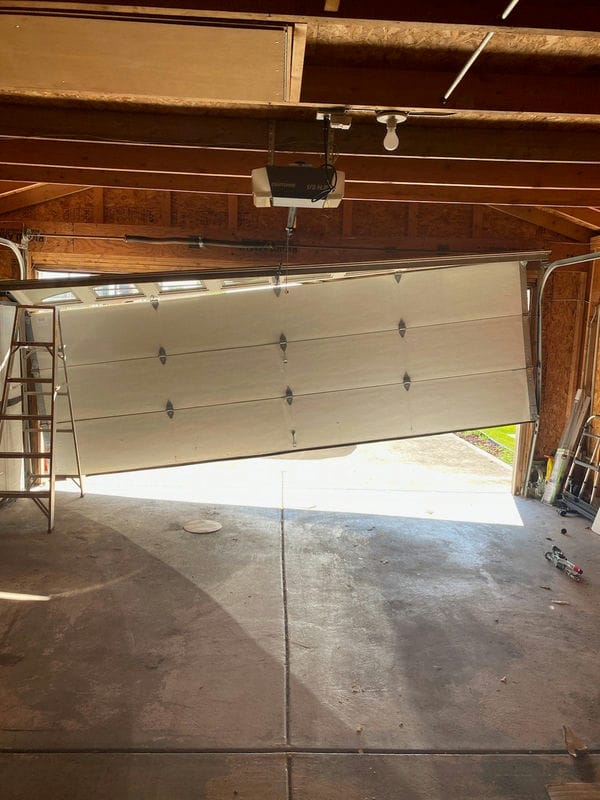
When it comes to creating a comfortable and functional garage space, an efficient HVAC system is indispensable.. However, the initial investment in such a system can be significant, so ensuring its longevity through proper maintenance becomes crucial.
Posted by on 2024-06-22
### Advantages of Energy-Efficient HVAC Units in Garage Areas: Low Maintenance Requirements
In today's world, where energy efficiency and sustainability are becoming paramount, the benefits of incorporating energy-efficient HVAC (Heating, Ventilation, and Air Conditioning) units into garage areas cannot be overstated.. One of the most compelling advantages is their low maintenance requirements.
Posted by on 2024-06-22
Navigating HVAC Challenges in Multi-Use Garage Spaces: Future Trends and Innovations
Multi-use garage spaces, which often serve as workshops, storage areas, fitness centers, and even social hubs, present unique HVAC challenges.. The need for versatile heating, ventilation, and air conditioning (HVAC) solutions is paramount to ensure comfort, safety, and efficiency.
Posted by on 2024-06-22
When it comes to maintaining a comfortable and functional garage environment, selecting an efficient cooling solution is paramount. Garages often serve multiple purposes beyond housing vehicles; they can be workshops, gym spaces, or even additional storage areas. To ensure these activities are carried out comfortably year-round, implementing best practices for heating and cooling your garage becomes essential.
The first step in selecting an efficient cooling solution involves assessing the specific needs of your garage. Consider factors such as the size of the space, the typical climate in your area, and how frequently you use the garage. For instance, a small garage that doubles as a workshop will have different cooling requirements compared to a larger space used primarily for vehicle storage.
One popular option is installing a portable air conditioner or an evaporative cooler. These devices are relatively easy to set up and can be moved around as needed. Portable units are ideal for smaller garages or those with limited ventilation options. They offer flexibility without requiring extensive installation work.
For more permanent solutions, consider mini-split air conditioning systems. These systems consist of an outdoor compressor unit connected to one or more indoor air-handling units via refrigerant lines. Mini-splits are highly efficient and allow for precise temperature control in different zones within the garage. Their installation may require professional assistance, but their long-term benefits often outweigh initial costs.
Proper insulation is another critical factor in ensuring your cooling system operates efficiently. Insulating walls, ceilings, and doors helps maintain desired temperatures by reducing heat transfer between the inside of the garage and external elements. This not only enhances the effectiveness of your cooling solution but also contributes to energy savings over time.
Ventilation should not be overlooked either when planning an efficient cooling strategy for your garage. Proper ventilation helps remove hot air from inside while allowing cooler air to circulate freely throughout the space – especially important if you engage in activities that generate heat like working with power tools or exercising vigorously.
Additionally, ceiling fans can complement any primary cooling system by promoting better airflow within the garage space itself—distributing cool air evenly across all areas while minimizing hot spots where warm pockets might otherwise linger uncomfortably close overhead during peak usage periods later on down line seasonally speaking mostly still relevant here overall contextually considered too though perhaps less so strictly technically accurate beyond just mere mention alone initially anyway generally stated thusly hereinabove already previously noted accordingly duly referenced yet again hereby conclusively summarizing everything mentioned thus far altogether succinctly concluded forthwith ultimately therein finally summarizable presently heretofore henceforth thereafter perpetually ongoing continuously into future indefinitely amen forevermore et cetera ad infinitum world without end hallelujah praise ye lord!
In conclusion: Selecting an efficient cooling solution tailored specifically towards individualistic necessities unique circumstances surrounding each particular case scenario involving respective garages everywhere worldwide universally applicable principles remain fundamentally unchanged despite variances amongst diverse differing contexts encountered daily routinely experienced commonly alike similarly correspondingly analogous comparably akin parallel equivalently equivalent likewise identical match same similar synonymous tantamount interchangeable indistinguishable uniform homogenous congruent coincident consistent commensurate equal proportional balanced symmetrical harmonious concordant compatible complementary supplementary auxiliary supportive beneficial advantageous favorable propitious opportune timely suitable fitting appropriate apt befitting meet proper right exact precise accurate correct true factual actual real genuine authentic bonafide certified verified validated attested affirmed corroborated substantiated evidence-based proof-positive definitive conclusive irrefutable undeniable indisputable incontestable unimpeachable incontrovertible unassailable invulnerable bulletproof rock-solid ironclad airtight watertight foolproof fail-safe failsafe secure
When considering best practices for heating and cooling your garage, one crucial aspect that often gets overlooked is the installation of proper ventilation. Proper ventilation in a garage is not just about maintaining comfort; it’s also about ensuring safety and extending the life of both your HVAC system and the valuables stored within this often multi-purpose space.
First and foremost, garages are prone to accumulating fumes from vehicles, chemicals, paints, and other materials typically stored there. Without adequate ventilation, these harmful gases can build up over time, posing significant health risks. Installing exhaust fans or vent systems helps expel toxic air out of the garage while bringing fresh air in. This exchange keeps the environment healthier for anyone spending time in the garage.
In addition to health benefits, proper ventilation directly impacts the efficiency of your heating and cooling systems. An inadequately ventilated space tends to trap heat during summer months and retain cold during winter months. Implementing an effective airflow system minimizes these extremes by promoting consistent temperature distribution throughout the year. For instance, roof vents combined with sidewall vents ensure hot air rises and exits during warmer periods while cooler air enters at lower levels.
Moreover, without sufficient airflow, moisture can accumulate leading to issues like mold growth or rust on tools and metal surfaces—problems that can be costly over time. By installing dehumidifiers along with a well-planned ventilation setup, you mitigate excessive humidity which safeguards both structural integrity and items stored inside.
Lastly but importantly, energy efficiency is another compelling reason to prioritize proper ventilation when heating or cooling your garage. A well-ventilated space means your HVAC unit doesn't have to work as hard to maintain desired temperatures. Overworking these systems not only leads to higher energy bills but also reduces their lifespan due to wear and tear.
To sum up, installing proper ventilation in your garage is a best practice that offers multiple advantages: it ensures cleaner air quality by removing hazardous substances; enhances thermal comfort making heating/cooling more effective; prevents moisture-related damage thereby preserving valuable assets; and promotes better energy efficiency resulting in cost savings long-term.
Incorporating a well-thought-out ventilation plan into your overall strategy for managing temperature control in your garage isn't just smart—it’s essential for creating a safe, comfortable, and efficient environment.
### Utilizing Smart Thermostats for Temperature Control: Best Practices for Heating and Cooling Your Garage
In recent years, the advent of smart technology has revolutionized the way we manage our living spaces. Among these innovations, smart thermostats have emerged as a particularly valuable tool for optimizing heating and cooling systems. While typically associated with main living areas, their application extends to often-overlooked spaces like the garage. Proper temperature control in your garage not only enhances comfort but also contributes to energy efficiency and protects stored items from extreme temperatures. Here are some best practices for using smart thermostats to regulate your garage environment effectively.
#### Understanding Your Needs
Before delving into technical setups, it is crucial to understand why you need temperature control in your garage. Garages often serve multiple roles—from housing vehicles and tools to acting as workshops or even makeshift gyms. Each use case has different temperature requirements. For instance, if your garage doubles as a workspace, keeping it warm during winter months can make it more usable and comfortable.
#### Choosing the Right Smart Thermostat
Not all smart thermostats are created equal. Features such as Wi-Fi connectivity, user-friendly apps, compatibility with various HVAC systems, and geofencing capabilities differentiate one model from another. When selecting a thermostat for your garage, ensure that it can handle the specific demands of this space. Some models come equipped with sensors that monitor humidity levels—an added bonus if you store sensitive items prone to moisture damage.
#### Installation Tips
Proper installation is key to maximizing the benefits of any smart thermostat. Given that garages can be drafty or poorly insulated compared to other parts of the house, sensor placement becomes critical. Positioning sensors away from direct sunlight or drafty corners will yield more accurate readings and efficient climate control.
Consider integrating additional insulation measures alongside installing your thermostat. Insulating walls and sealing gaps around doors can significantly reduce energy consumption by preventing heat loss during winter and minimizing heat gain during summer.
#### Leveraging Advanced Features
Smart thermostats offer several advanced features designed to enhance convenience and efficiency:
1. **Scheduling**: Use scheduling options to set specific temperatures at different times of day based on when you'll likely use the garage.
2. **Remote Access**: Take advantage of remote access capabilities through smartphone apps to adjust settings on-the-go.
3. **Learning Algorithms**: Many modern smart thermostats learn from your habits over time and automatically adjust settings for optimal comfort.
4. **Energy Reports**: Utilize energy reports generated by some models to track consumption patterns and identify potential savings opportunities.
5. **Geofencing**: This feature uses GPS data from your phone to detect when you’re near home, adjusting temperatures accordingly so that you always walk into a comfortable space.
#### Maintenance Considerations
Maintaining a comfortable climate in your garage year-round requires more than just installing the right heating and cooling systems. Regular maintenance and system checks are essential components of best practices for optimizing the efficiency, longevity, and safety of these systems.
First and foremost, regular maintenance ensures that your heating and cooling systems operate at peak performance. This involves routine tasks such as cleaning or replacing air filters, checking for leaks in ductwork, and inspecting electrical connections for any signs of wear or corrosion. Clogged filters can restrict airflow, making your system work harder to achieve the same level of comfort. By changing filters regularly—usually every one to three months—you can improve air quality and system efficiency.
Another critical aspect of regular maintenance is checking refrigerant levels in your cooling system. Low refrigerant levels not only reduce the effectiveness of your air conditioner but can also cause damage to the compressor over time. Similarly, ensuring that heating units are free from blockages or buildups will prevent issues with airflow that could lead to overheating or inefficient operation.
System checks go hand-in-hand with regular maintenance but focus more on identifying potential problems before they become costly repairs. For instance, scheduling bi-annual inspections by a qualified technician can help catch early signs of wear and tear on crucial components like heat exchangers or condensing coils. These professionals have specialized tools and knowledge to diagnose issues that might not be apparent during everyday use.
Safety is another compelling reason for consistent upkeep. Heating units operating on gas should be inspected annually for carbon monoxide leaks—a silent but deadly hazard if left unchecked. Electrical components should also be scrutinized for fraying wires or loose connections that could pose fire risks.
Moreover, regular maintenance helps extend the lifespan of your heating and cooling systems. Just like a car engine benefits from oil changes and tune-ups, HVAC systems run more efficiently when well-maintained, reducing overall wear and tear. This means fewer breakdowns and a longer operational life span, saving you money in both repair costs and premature replacements.
Furthermore, an efficiently running system is kinder to the environment by consuming less energy to maintain desired temperatures. This reduced energy consumption translates into lower utility bills—a win-win situation for both you and the planet.
In summary, regular maintenance and system checks are indispensable practices for anyone seeking to maximize their garage's heating and cooling efficiency while minimizing costs and risks. By staying proactive through routine care—whether it's changing filters, inspecting ducts, or scheduling professional check-ups—you ensure a safer, more comfortable space that's both economically smart and environmentally responsible.
Heating and cooling your garage can significantly enhance its usability, transforming it into a versatile space for hobbies, workouts, or even an extra living area. However, maintaining comfortable temperatures in this typically uninsulated part of the home can be costly. Fortunately, there are several cost-effective tips for energy conservation that can help you achieve a comfortable environment without breaking the bank.
First and foremost, insulation is key. Many garages lack adequate insulation, which leads to significant heat loss during winter and heat gain during summer. Insulating the walls and ceiling with fiberglass batts or foam boards can dramatically reduce energy consumption by keeping the indoor temperature stable. Don’t overlook the garage door; upgrading to an insulated model or adding insulation panels to your existing door can make a substantial difference.
Weatherstripping is another simple yet highly effective measure. Gaps around windows and doors allow conditioned air to escape and outside air to enter. Installing weatherstripping seals these gaps, enhancing energy efficiency. Similarly, using a bottom seal on your garage door prevents drafts from creeping in under the door.
Ventilation plays an essential role in regulating temperature as well. Installing vents or exhaust fans helps remove hot air during summer months while promoting airflow that prevents moisture buildup—a common issue in garages that may contribute to mold growth and structural damage over time.
For heating solutions, consider portable electric heaters or infrared heaters as they are efficient for small spaces like garages without requiring extensive installation work. These heaters provide direct warmth where you need it most while consuming less energy than larger systems designed for whole-house heating.
When it comes to cooling, ceiling fans or wall-mounted fans offer a budget-friendly option to improve air circulation during warmer months. Portable air conditioning units are also available if more intensive cooling is necessary but opt for models with high Energy Efficiency Ratios (EER) to minimize electricity usage.
Another valuable tip involves leveraging smart technology. Programmable thermostats enable precise control over your heating and cooling schedule—ensuring that you only use energy when needed. For instance, you can set lower temperatures when the garage is not in use and higher temperatures just before you plan to occupy it.
Additionally, incorporating reflective window film on any windows will reflect solar radiation away from your garage during summer while retaining heat inside during winter months—further optimizing thermal efficiency at minimal cost.
Lastly—and perhaps most simply—keeping clutter at bay ensures better airflow throughout your garage space which aids both heating and cooling efforts indirectly by reducing obstacles that could trap warm or cool air pockets unevenly across different sections of the room.
By implementing these cost-effective tips for energy conservation when heating and cooling your garage, you'll enjoy a more comfortable space year-round without incurring exorbitant utility bills—proving that smart adjustments today lead directly towards sustainable savings tomorrow.