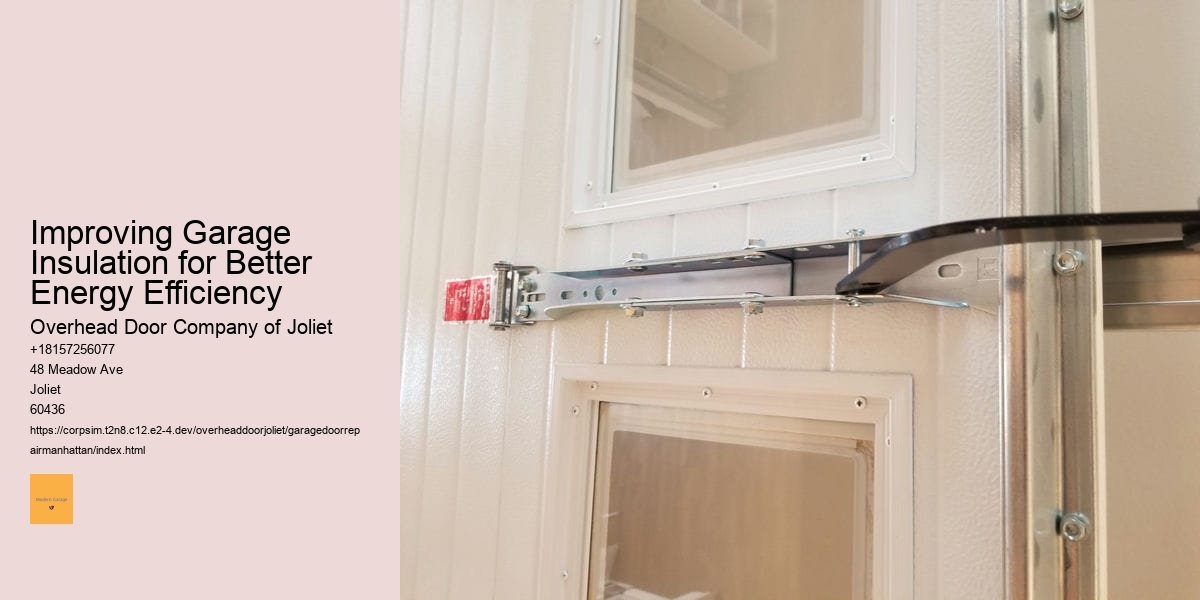
When it comes to enhancing energy efficiency in your home, the garage is often an overlooked area. Yet, improving garage insulation can significantly reduce energy costs and increase overall comfort. A crucial step in this process is evaluating current insulation and identifying problem areas that may be compromising your efforts.
The first step in evaluating current insulation involves a thorough inspection. Begin by examining the walls, ceiling, and door of your garage. Look for visible signs of wear and tear such as cracks, gaps, or sagging insulation material. These are clear indicators that your existing insulation may not be performing optimally.
Next, consider the type of insulation currently installed. Common types include fiberglass batts, spray foam, and rigid foam boards. Check the alignment of the garage door with the motor unit HVAC Solutions for a Comfortable Garage Space garage. Lubricate the rollers, tracks, and hinges to reduce noise and increase longevity emergency garage door repair Manhattan moisture. Each has its own set of advantages and limitations regarding thermal resistance (R-value), moisture control, and ease of installation. If you notice that the existing material doesn’t match the requirements for your climate zone or has deteriorated over time, it’s a red flag indicating the need for an upgrade.
One effective method to identify less obvious problem areas is using an infrared thermometer or a thermal imaging camera. These tools can reveal temperature variations across different sections of your garage walls and ceiling, highlighting spots where heat is escaping or cold air is seeping in. For instance, if certain areas appear cooler than others during winter months or warmer during summer months, these are likely points where insulation is insufficient or missing altogether.
Another critical area to inspect is the garage door itself—a significant source of energy loss if not properly insulated. Many standard garage doors lack adequate insulation properties; upgrading to an insulated model can make a substantial difference. Pay attention also to weatherstripping around the door frame; worn-out strips should be replaced promptly as they play a vital role in sealing gaps through which air can flow freely.
Ventilation systems within the garage also merit scrutiny. While proper ventilation is necessary to prevent moisture buildup and ensure air quality, excessive drafts indicate poor sealing which undermines insulation efforts. Ensure vents are strategically placed and adequately sealed when not actively used for ventilation purposes.
Lastly, don't overlook smaller details like electrical outlets and light fixtures on shared walls between the house and garage—these too can be sources of unwanted drafts if not properly sealed with insulating gaskets or foam sealant.
Improving garage insulation for better energy efficiency is a significant step towards enhancing the overall comfort and energy performance of your home. Garages, often overlooked in the insulation process, can be substantial sources of heat loss or gain.
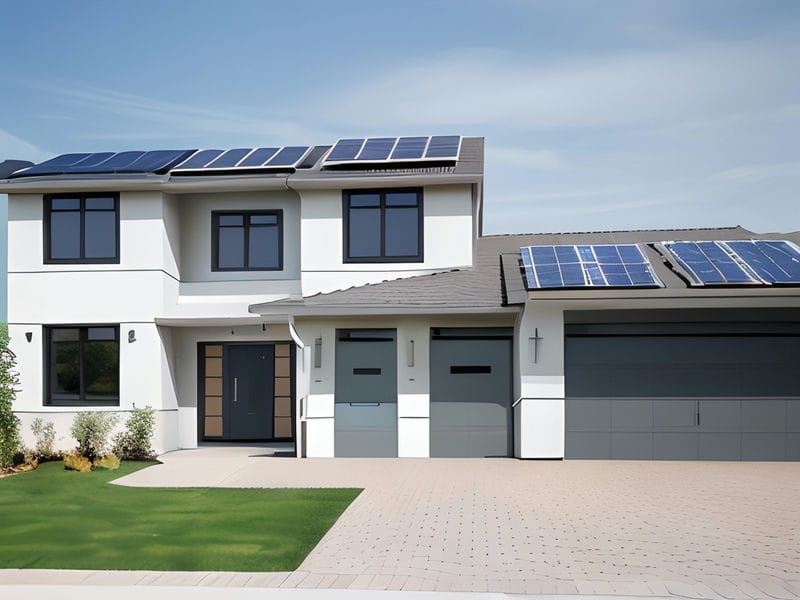
Maintaining optimal air quality in a garage is often overlooked, yet it plays an essential role in ensuring a healthy environment.. Garages can harbor harmful pollutants such as carbon monoxide from vehicles, volatile organic compounds (VOCs) from stored chemicals, and fine particulate matter from various activities.
Posted by on 2024-06-22
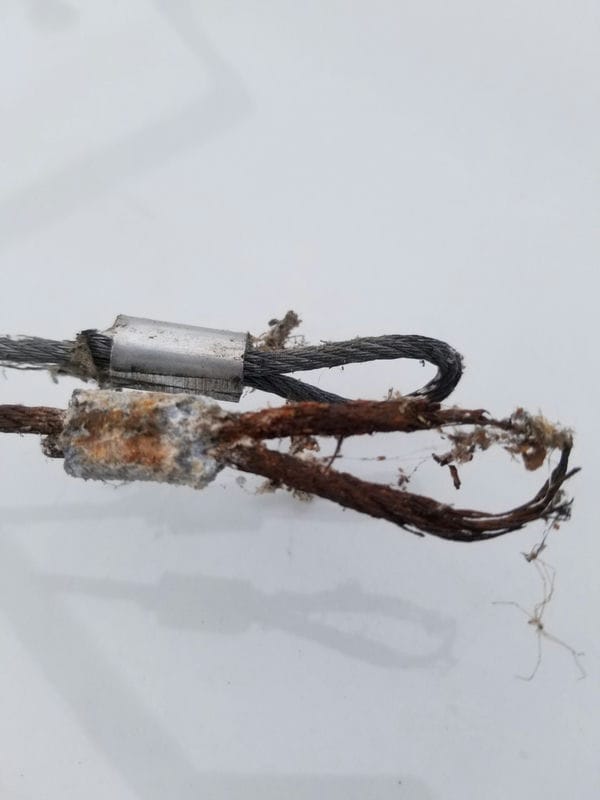
In recent years, the concept of modern garages has evolved significantly.. No longer just a storage space for vehicles and tools, the modern garage often serves multiple purposes such as workshops, home gyms, or even extensions of living spaces.
Posted by on 2024-06-22
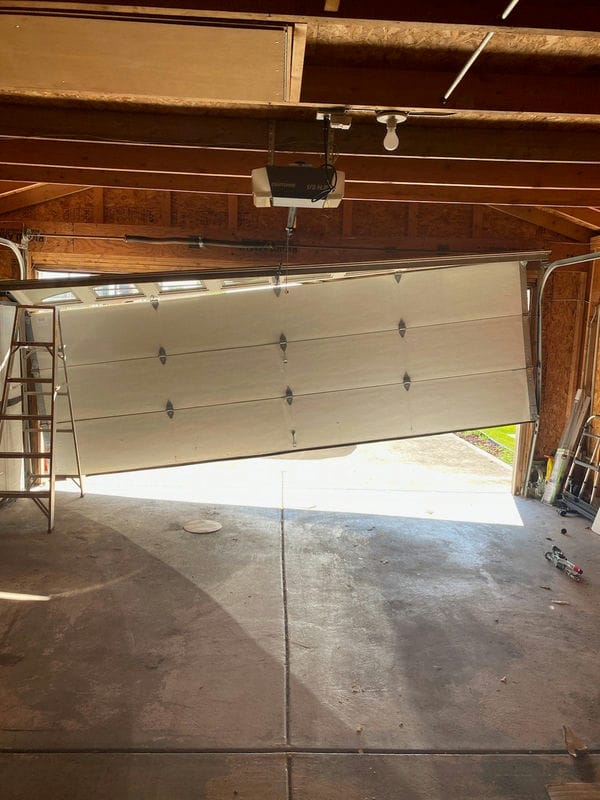
When it comes to creating a comfortable and functional garage space, an efficient HVAC system is indispensable.. However, the initial investment in such a system can be significant, so ensuring its longevity through proper maintenance becomes crucial.
Posted by on 2024-06-22
### Step-by-Step Guide to Installing New Insulation: Improving Garage Insulation for Better Energy Efficiency
With energy costs continually on the rise, homeowners are increasingly looking toward effective solutions to enhance their homes' energy efficiency. One often overlooked area is the garage, a space that can significantly impact your home's overall thermal performance. By installing new insulation in your garage, you not only improve comfort but also save on energy bills. Below is a comprehensive step-by-step guide to help you undertake this project effectively.
#### Step 1: Assess Your Current Insulation
Before diving into the installation process, it's crucial to evaluate your current insulation situation. Inspect the existing insulation in walls, ceilings, and doors for any signs of wear and tear or inadequate coverage. If there’s no existing insulation, consider it an opportunity for a clean slate where you can choose the best materials suited for your needs.
#### Step 2: Choose the Right Type of Insulation
There are several types of insulation available, each with its own advantages:
- **Fiberglass Batts:** Commonly used due to their cost-effectiveness and ease of installation.
- **Spray Foam:** Offers superior air sealing properties but comes at a higher price.
- **Rigid Foam Boards:** Excellent for insulating garage doors and provide good thermal resistance.
- **Reflective or Radiant Barriers:** Useful in hot climates as they reflect radiant heat away from living spaces.
Consider factors like climate, budget, and specific areas needing coverage when selecting the right type of insulation.
#### Step 3: Gather Necessary Materials and Tools
You'll need more than just insulation material for this job. Key tools include:
- Utility knife for cutting insulation batts or boards.
- Staple gun for securing batt insulation.
- Protective gear such as gloves and safety glasses.
- Measuring tape to ensure precise cuts.
Having everything ready beforehand will streamline the process considerably.
#### Step 4: Measure and Cut Insulation Material
Accurate measurements are essential for effective insulation. Measure the dimensions of your walls, ceiling, and door panels carefully. Cut your chosen material accordingly; fiberglass batts should fit snugly between wall studs without compressing them too much as this reduces their effectiveness.
#### Step 5: Install Wall Insulation
Begin by installing wall insulation first:
1. Insert fiberglass batts into wall cavities between studs.
2. Use a staple gun to secure any paper-faced batt insulations along the edges of studs.
3. Make sure there are no gaps or compressed areas which could diminish insulating efficiency.
For spray foam, follow manufacturer instructions closely regarding application thickness and curing time.
#### Step 6: Ceiling Insulation
After tackling the walls, move on to insulating the ceiling:
1. If using batt or roll-type insulations like fiberglass or mineral wool, lay them perpendicular to joists in attics above garages.
2. For finished ceilings without attic access consider blowing-in loose-fill cellulose through drilled holes—a task best left to professionals if you're inexperienced.
#### Step 7: Address Garage Doors
Garage doors can be significant sources of heat loss/gain due largely because they're typically thin metal shells offering little resistance against outdoor temperatures:
1. Apply rigid foam board cut precisely according lengths/widths needed filling panel voids within door framework structure itself adhering securely via specialized adhesives ensures long-lasting durability under frequent use conditions faced daily operation mechanisms involved typical residential setups seen across country today common among households everywhere regardless geographic location specifics!
Use weather stripping around door edges creating tight seal further enhancing efforts
Improving the energy efficiency of your home is a multifaceted endeavor, and one often overlooked area is the garage. While many focus on insulating walls and ceilings, sealing gaps and cracks can significantly enhance insulation efficiency in this vital space. A well-insulated garage not only contributes to overall energy savings but also creates a more comfortable environment, whether it's used for parking cars, storing belongings, or as a workspace.
Sealing gaps and cracks is an essential first step before adding any insulation material. Even the most advanced insulation will underperform if air leaks are left unchecked. These gaps can be found around windows, doors, electrical outlets, and where the walls meet the floor or ceiling. Each small opening allows conditioned air to escape while letting outside air infiltrate your garage. This exchange makes it harder to maintain desired temperatures inside your home, forcing heating and cooling systems to work overtime and increasing energy bills.
The process begins with identifying these trouble spots. A thorough inspection using tools like smoke pencils or infrared cameras can reveal hidden gaps that might not be immediately visible. Once identified, various materials like caulk for smaller cracks or expanding foam for larger gaps can be applied to seal them effectively. Weatherstripping around doors and windows serves as an additional barrier against drafts.
Beyond immediate energy savings, sealing gaps and cracks has other significant benefits. It helps in reducing moisture infiltration which can lead to mold growth—a common issue in garages due to their proximity to the outdoors and frequent temperature fluctuations. By mitigating moisture problems through proper sealing techniques, you also protect stored items from potential damage.
Moreover, a well-sealed garage acts as a buffer zone between outdoor elements and your living spaces. This added layer of protection minimizes heat transfer during summer months when garages can become unbearably hot or during winter when they turn frigid cold. As a result, rooms adjacent to or above the garage remain more stable in temperature without placing extra demand on HVAC systems.
Environmental concerns also come into play when enhancing insulation efficiency through gap sealing. Reduced energy consumption translates directly into lower carbon footprints—an important consideration given today’s emphasis on sustainable living practices.
In addition to practical measures like caulking and weatherstripping, homeowners should consider integrating more comprehensive solutions such as insulated garage doors or even radiant barriers depending on climate conditions specific to their region.
To sum up: improving garage insulation for better energy efficiency starts fundamentally with addressing all potential points of airflow leakage by meticulously sealing every gap and crack encountered during inspections; this simple yet crucial task yields substantial dividends—not just financially via reduced utility bills but also environmentally by curbing unnecessary energy waste while concurrently fostering healthier indoor atmospheres free from dampness-induced issues like mold proliferation—all contributing towards crafting smarter homes aligned harmoniously within our broader ecological imperatives today!
### Benefits of Properly Insulated Garages on Home Energy Bills
In an era where energy efficiency is more critical than ever, homeowners are increasingly turning their attention to often-overlooked areas of their property. One such area is the garage. While garages are typically thought of as storage spaces for cars and miscellaneous items, they can significantly impact a home’s overall energy consumption. Properly insulating your garage can yield remarkable benefits, particularly when it comes to reducing home energy bills.
First and foremost, a well-insulated garage serves as a barrier against temperature extremes. During the sweltering summer months, an uninsulated garage can become unbearably hot, causing adjacent rooms to heat up as well. This forces your air conditioning system to work overtime, consuming more electricity and driving up your utility bills. Conversely, in winter, an uninsulated garage can become a source of cold drafts that seep into your home’s living spaces. By insulating the walls, ceiling, and even the garage door itself, you create a thermal buffer zone that helps maintain a consistent indoor temperature year-round.
Moreover, insulating your garage contributes to the overall thermal envelope of your house. The concept of a thermal envelope refers to all elements of a building that shield its interior from external climatic conditions—walls, floors, roofs included. When any part of this envelope lacks proper insulation, it acts like a leak in an otherwise airtight container. Heat escapes during winter and infiltrates during summer through these weak spots. Therefore, improving the insulation in your garage fortifies this thermal barrier and reduces the amount of energy required for heating or cooling.
Another advantage lies in protecting any water pipes running through or near the garage from freezing temperatures. Frozen pipes are not just inconvenient; they can also be costly if they burst due to ice expansion inside them. By maintaining warmer ambient temperatures within an insulated garage during colder months, you mitigate this risk considerably.
Additionally, many garages house essential appliances such as washers and dryers that contribute to household energy use. Ensuring these devices operate within moderate temperature ranges makes them more efficient and prolongs their lifespan—yet another way properly insulated garages save money over time.
Lastly—but certainly not least—improving your home's insulation speaks volumes about environmental stewardship by reducing carbon footprints associated with excessive energy consumption. Lowering dependence on heating fuels like natural gas or electricity generated from coal-fired power plants leads directly to fewer greenhouse gas emissions.
In conclusion, investing in proper insulation for your garage offers multiple payoffs: lower monthly utility bills due largely because climate control systems run less frequently; enhanced durability & safety regarding domestic plumbing systems situated therein; optimized operational efficacy concerning other key household equipment located there too—all whilst contributing positively towards global sustainability efforts by curbing residential carbon dioxide output levels significantly!
Improving garage insulation is a smart move for homeowners aiming to enhance energy efficiency.