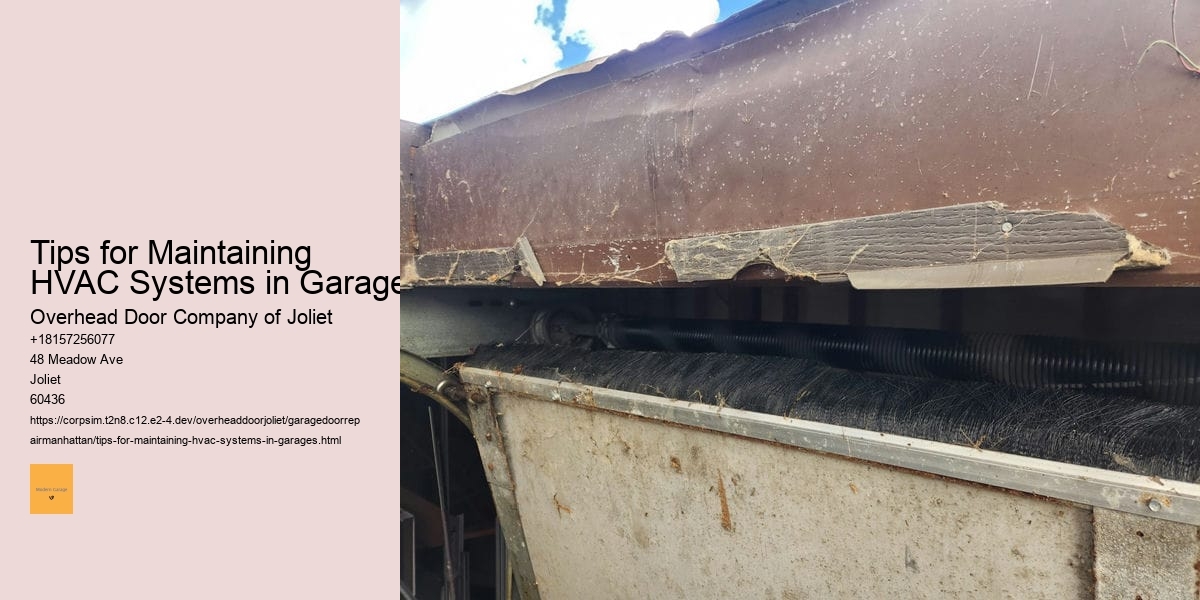
Maintaining an HVAC system in a garage often requires a bit more attention than one might think. A pivotal aspect of this maintenance is the regular cleaning and replacement of filters. Not only does this practice ensure optimal performance, but it also extends the lifespan of your unit while promoting healthier air quality in your workspace.
Filters are essentially the lungs of your HVAC system.
Maintaining the HVAC system in your garage is crucial for ensuring optimal performance, energy efficiency, and a comfortable environment. One of the essential tasks in this maintenance routine is to inspect and clean the ductwork. This often-overlooked aspect can significantly impact not only the longevity of your HVAC system but also the air quality within your garage.
The first step in inspecting and cleaning your ductwork involves a thorough visual check. Over time, ducts can accumulate dust, debris, and even mold, all of which can obstruct airflow and reduce efficiency. Start by examining accessible sections with a flashlight. Look for any visible signs of dirt buildup or damage like cracks or holes that could lead to leaks. Pay special attention to joints and connections where issues are most likely to occur.
Once you have identified areas that need attention, it's time to clean them. Although professional duct cleaning services are available and recommended every few years, there are steps you can take yourself for regular upkeep. Begin by turning off the power to your HVAC system to ensure safety. Use a vacuum cleaner with a hose attachment designed for small spaces to remove loose dust from vents and registers.
For deeper cleaning, consider using specialized tools like brushes made specifically for ducts. These tools can reach further into the ductwork than typical household items, giving you a more comprehensive clean. Be gentle while scrubbing; aggressive cleaning can damage delicate components inside the ducts.
It's also worthwhile to change or clean filters regularly as they play a significant role in maintaining air quality and preventing contaminants from entering the ductwork again after you've cleaned it. Dirty filters not only impede airflow but can also cause particles to recirculate through your system.
In addition to improving air quality and system efficiency, keeping your ductwork clean helps prevent costly repairs down the line. Blocked or dirty ducts force your HVAC system to work harder than necessary, leading to increased wear and tear on its components.
Another advantage of well-maintained ductwork is energy efficiency. Clean ducts allow air to flow freely throughout your garage, making it easier for your HVAC system to heat or cool the space effectively without overexerting itself—a benefit you'll notice on your energy bills.
In conclusion, regular inspection and cleaning of your garage's HVAC ductwork offer numerous benefits including improved air quality, enhanced system efficiency, reduced risk of costly repairs, and better energy consumption rates. By incorporating these practices into your routine maintenance schedule, you're investing in both comfort and savings over time—ensuring that your garage remains a pleasant environment year-round.

Maintaining optimal air quality in a garage is often overlooked, yet it plays an essential role in ensuring a healthy environment.. Garages can harbor harmful pollutants such as carbon monoxide from vehicles, volatile organic compounds (VOCs) from stored chemicals, and fine particulate matter from various activities.
Posted by on 2024-06-22
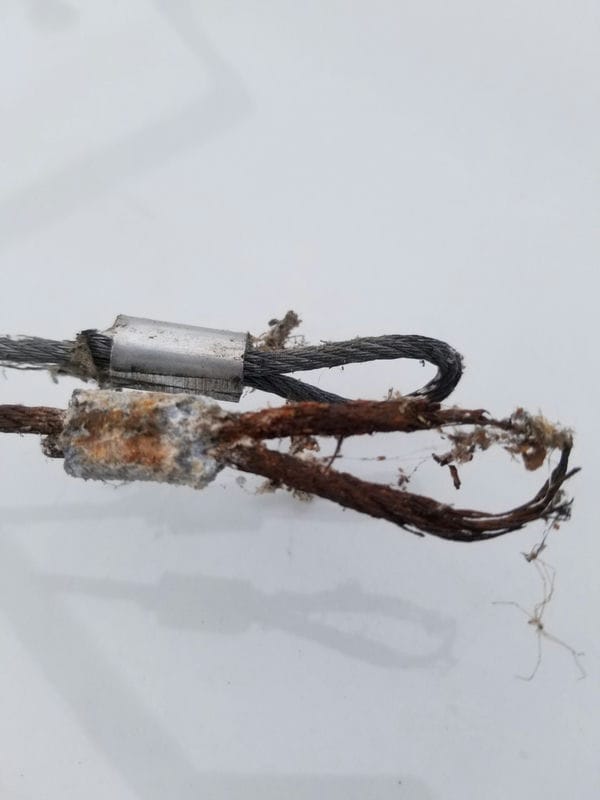
In recent years, the concept of modern garages has evolved significantly.. No longer just a storage space for vehicles and tools, the modern garage often serves multiple purposes such as workshops, home gyms, or even extensions of living spaces.
Posted by on 2024-06-22
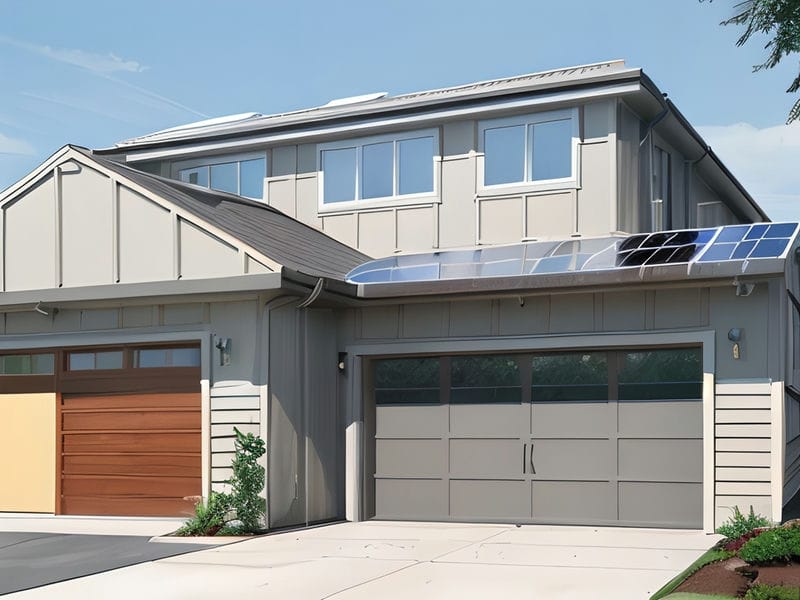
### Integrating Smart HVAC Technology in Garage Designs: Future Trends
As technology continues to evolve at a breakneck pace, the integration of smart HVAC systems into various aspects of home design is becoming increasingly common.. One area that has traditionally been overlooked but is now gaining attention is the garage.
Posted by on 2024-06-22
Maintaining the functionality of your HVAC system is crucial, especially when it comes to garages. One often overlooked but vital aspect of this maintenance is checking the thermostat's functionality. The thermostat serves as the brain of your HVAC system, regulating temperature and ensuring that your garage remains comfortable regardless of the season. Here are some tips for maintaining HVAC systems in garages by focusing on the thermostat.
First, ensure that your thermostat is correctly calibrated. Over time, thermostats can lose their accuracy due to dust buildup or simple wear and tear. An inaccurate thermostat can lead to inefficient heating or cooling, causing higher energy bills and uncomfortable temperatures in your garage. To check calibration, you can compare the reading on your thermostat with an accurate external thermometer placed nearby. If there's a significant discrepancy between these readings, it's time for recalibration or even replacement.
Next, consider the placement of your thermostat within the garage. The location plays a pivotal role in its efficiency and accuracy. Ideally, the thermostat should be mounted away from direct sunlight, drafts, doors, windows, and any appliances that generate heat. Placing it in a central location where airflow is consistent will provide a more accurate measure of ambient temperature and better overall performance.
Another important step is to regularly clean your thermostat. Dust and grime can accumulate over time, affecting its sensors and electronic components. Gently clean it using a soft brush or cloth every few months to ensure it remains free from debris that could impair its operation.
Modern smart thermostats offer advanced features like remote monitoring and automatic adjustments based on usage patterns or weather conditions. Upgrading to a smart thermostat not only adds convenience but also enhances energy efficiency by learning your habits and adjusting settings accordingly.
It's also essential to periodically check for software updates if you’re using a digital or smart thermostat.
Maintaining an HVAC system in a garage often requires a keen eye for detail and regular upkeep to ensure optimal performance. One of the critical maintenance tasks is to lubricate moving parts, a seemingly small step that can significantly extend the life of your equipment and improve its efficiency.
HVAC systems are composed of numerous mechanical components that must work seamlessly together. These include motors, fans, bearings, and other moving parts that drive the operation of the system. Over time, friction between these moving parts can lead to wear and tear, causing them to operate less efficiently or even fail altogether. Lubrication plays a vital role in reducing this friction, thereby minimizing wear and ensuring smooth operation.
When you lubricate moving parts within your HVAC system, you essentially create a thin film between surfaces that might otherwise grind against each other. This not only makes the equipment run more quietly but also reduces heat generation—a common cause of premature failure in mechanical systems. Proper lubrication can prevent costly repairs down the line by addressing minor issues before they escalate into major problems.
The process itself is relatively straightforward but should be done meticulously. First, consult your HVAC system's manual to identify all parts that require lubrication and note the recommended type of lubricant. Using the wrong kind could do more harm than good; for instance, some components may need high-temperature grease while others might require light machine oil.
Turn off the power supply to ensure safety before starting any maintenance work. Clean any dirt or debris from around the areas you’ll be working on—foreign particles can contaminate the lubricant and reduce its effectiveness. Apply the lubricant sparingly but adequately; too much can attract dust and grime, creating abrasive conditions rather than alleviating them.
Maintaining an HVAC system in a garage is crucial for ensuring optimal performance and longevity. One often overlooked yet essential task in this maintenance routine is inspecting electrical connections. Electrical connections are the lifeblood of any HVAC system, transmitting power and signals to various components that control heating, ventilation, and air conditioning functions. Neglecting this critical aspect can lead to inefficiencies, malfunctions, or even hazardous situations.
First and foremost, safety should be the primary concern when dealing with electrical connections in an HVAC system. Always make sure the power supply is turned off before beginning any inspection or maintenance work. This simple step can prevent accidental shocks or short circuits that could cause injury or further damage to the system.
Begin by visually inspecting all accessible wiring and connections. Look for signs of wear such as frayed wires, loose connectors, or corrosion on terminals. Corrosion can impede electrical flow, reducing efficiency and potentially causing overheating issues. If corrosion is present, clean it carefully using a suitable contact cleaner and ensure that all surfaces are dry before reassembling.
Next, check for secure connections at all junction points. Loose connections can create resistance in the circuit, which not only wastes energy but also generates excessive heat—a common precursor to more serious problems like component failure or fire hazards. Use a screwdriver to gently tighten any loose screws on terminal blocks or connectors but avoid overtightening as this can strip threads or damage components.
In addition to visual inspections and physical checks, employing a multimeter to test voltage levels across different points of the HVAC's electrical system can provide valuable insights into its health. Consistent readings within specified ranges indicate that the electrical pathways are functioning correctly; significant deviations might suggest hidden issues such as damaged wires or faulty components that need addressing.
Don't forget about relays and capacitors—these small but vital parts play crucial roles in starting motors and regulating current flow within the HVAC system. Inspect relays for signs of pitting or burning on contacts which indicate they may need replacement soon. Capacitors should be checked for bulging cases or leaking electrolyte—a clear sign they have failed internally.
Lastly, take advantage of scheduled professional inspections annually if possible. While regular DIY checks go a long way toward maintaining your HVAC system efficiently running smoothly year-round professionals possess specialized tools knowledge necessary identify address underlying problems might miss during routine inspections
Inspecting electrical connections might seem tedious compared other aspects home maintenance however importance cannot overstated Ensuring solid reliable electrical foundation ensures safe efficient operation entire HAVC prolongs lifespan saves money long run making effort well worth time investment
Maintaining an HVAC system in a garage can often be overlooked, but it's a crucial aspect of ensuring comfort and efficiency. One essential practice in this regard is to test system performance periodically. This proactive measure not only helps in identifying potential issues before they escalate but also ensures that the system operates at peak efficiency, ultimately saving on energy costs and extending the lifespan of the equipment.
First and foremost, periodic testing allows for early detection of minor problems that could evolve into major repairs if left unaddressed. For example, small leaks or blockages within the ductwork might not immediately impact performance noticeably but can lead to significant inefficiencies over time. Regular performance tests can identify such issues early, allowing for timely interventions that prevent costly repairs down the line.
Additionally, testing system performance periodically provides valuable insights into how well your HVAC system is functioning in its specific environment—the garage. Garages often have different heating and cooling needs compared to other parts of a home due to their unique structure and purpose. By regularly assessing your HVAC’s effectiveness in this space, you can make necessary adjustments to ensure it meets these specific needs efficiently. For instance, you might find that certain areas are consistently underheated or overheated, prompting a recalibration or even an upgrade of your current setup.
Energy efficiency is another compelling reason to commit to regular performance checks. An HVAC system operating below its optimal capacity consumes more energy than required, leading to higher utility bills. Simple maintenance tasks identified during periodic tests—such as cleaning filters, lubricating moving parts, or recalibrating thermostats—can significantly enhance energy efficiency. Not only does this reduce operational costs, but it also contributes positively to environmental sustainability by lowering your carbon footprint.
Moreover, consistent monitoring of your HVAC system's performance promotes better indoor air quality—a vital factor considering garages often serve as workshops or storage spaces where dust and fumes may accumulate. Testing helps ensure that air filters are working correctly and ventilation systems are effectively circulating fresh air throughout the space.
To conduct these tests effectively, homeowners don't necessarily need advanced technical skills; many aspects can be managed through routine observations and basic maintenance checks. However, scheduling professional inspections at least once a year is highly recommended for thorough evaluations that cover all critical components of the system.
In conclusion, testing HVAC system performance periodically is an indispensable practice for anyone looking to maintain a comfortable and efficient garage space. It enables early problem detection, ensures tailored climate control solutions for unique environments like garages, enhances energy efficiency, improves indoor air quality, and extends the overall lifespan of the equipment. By incorporating this simple yet impactful habit into your regular maintenance routine, you invest in long-term savings and reliability while fostering a healthier living environment.