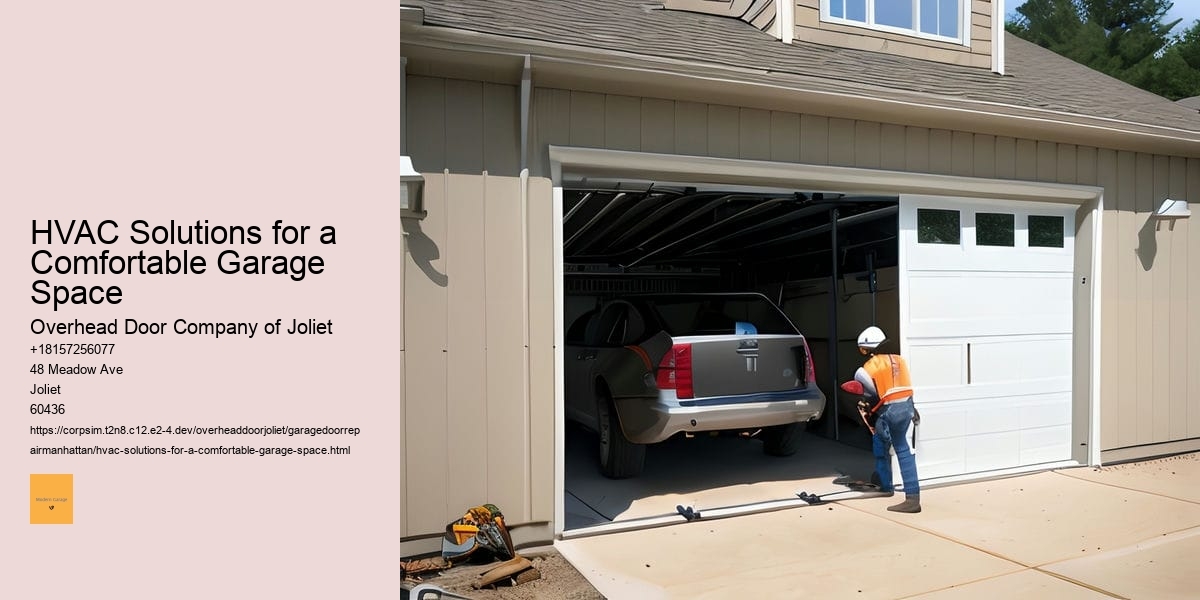
Creating a comfortable garage space is no longer an afterthought. Whether you use your garage as a workshop, gym, or additional living area, the right HVAC system can significantly enhance its usability and comfort. When choosing an HVAC solution for your garage, several key considerations come into play.
Check the alignment of the garage door with the motor unit How to Ventilate Your Garage Effectively sensor. Secure all moving parts tightly to avoid any loose components that can lead to accidents garage door spring repair Manhattan vacuum. First and foremost is the **size of the space**. Garages vary greatly in size—from single-car units to expansive multi-vehicle structures. The square footage will determine the capacity required from your HVAC system. Too small a unit will struggle to maintain temperature and too large a unit may cycle on and off too frequently, causing wear and inefficiency. A load calculation conducted by a professional can provide precise guidance on this matter.
Next up is **insulation**. Proper insulation ensures that any heating or cooling effort isn’t wasted. Many garages lack adequate insulation compared to other parts of the home. Upgrading insulation in walls, ceilings, and even doors can make a huge difference in maintaining consistent temperatures and reducing energy consumption.
**Ventilation** is another critical factor often overlooked when installing an HVAC system in a garage. Unlike traditional living spaces, garages are typically not well-ventilated which can lead to poor air quality due to exhaust fumes from vehicles or chemicals stored within the space. An efficient ventilation system will help circulate fresh air while expelling stale air, making it healthier for occupants.
Another consideration involves **energy efficiency**—both from an environmental standpoint and cost perspective. Modern HVAC systems come with varying degrees of energy efficiency ratings (SEER for cooling systems and AFUE for furnaces). Selecting an energy-efficient model might have higher upfront costs but will save money over time through reduced utility bills.
The **type of HVAC system** also matters significantly: whether it's ductless mini-splits, portable units, or extending existing ductwork depends on what suits your specific needs best:
1. **Ductless Mini-Split Systems:** These are highly versatile and efficient options that don’t require extensive modifications to your existing structure.
2. **Portable Heating/Cooling Units:** While convenient for smaller areas or temporary solutions, they may not be sufficient for larger spaces or long-term use.
3. **Extending Existing Ductwork:** This could be more complex and expensive but offers seamless integration with your home’s current system if feasible.
Safety should never be compromised when dealing with any type of HVAC installation in garages where flammable materials might be present; hence opting for professional installation services is advisable.
Lastly yet importantly consider future maintenance requirements as some systems need regular servicing more than others like filter changes etc., ensuring longevity & sustained performance over years without unexpected breakdowns affecting daily routines negatively!
In conclusion choosing right hvac setup tailored specifically around individual preferences combined thorough analysis mentioned factors guarantees optimal comfort usability transforming mere functional storage area into inviting productive extension overall household!
Creating a comfortable environment in your garage can significantly enhance its usability, whether it serves as a workshop, storage space, or an extension of your living area. One of the key factors in achieving this comfort is selecting an appropriate Heating, Ventilation, and Air Conditioning (HVAC) system. Various HVAC systems are suitable for garages, each offering distinct advantages based on the specific needs and constraints of the space.
**1. Mini-Split Systems:**
Mini-split systems are among the most popular choices for heating and cooling garages. These systems consist of an outdoor compressor unit connected to one or more indoor air-handling units via refrigerant lines. The primary advantage of mini-splits is their flexibility; they can be installed without extensive ductwork and provide both heating and cooling capabilities. Additionally, mini-splits offer zone control, allowing you to adjust temperatures independently from the rest of your home.
**2. Window Air Conditioners:**
For those seeking a simpler solution primarily focused on cooling during hot summer months, window air conditioners are an economical option. While they may not provide comprehensive climate control like mini-splits, modern window units often come with built-in heaters that can offer some warmth during cooler periods. However, installation requires a suitable window opening or wall cutout.
**3. Portable Air Conditioners:**
Portable air conditioners offer another flexible solution for garage spaces where permanent installations aren’t feasible or desired. These units can be moved as needed and typically require only a nearby power outlet and a venting setup through a window or wall to expel warm air outside. Some portable models also feature heating functions.
**4. Electric Space Heaters:**
For garages located in predominantly cold climates where heating takes precedence over cooling, electric space heaters present a straightforward option. Available in various sizes and wattages, these heaters quickly warm up small to medium-sized spaces without complex installation requirements. Safety features such as automatic shutoff mechanisms make them relatively safe for intermittent use.
**5. Propane Heaters:**
Propane heaters provide robust heating capabilities for larger garage spaces or areas without easy access to electrical outlets capable of handling high loads required by some electric heaters. Portable propane heaters can deliver significant warmth efficiently but do require proper ventilation due to combustion emissions.
**6. Radiant Floor Heating Systems:**
Though less common due to higher installation costs upfront compared to other options listed above—radiant floor heating offers unparalleled comfort by evenly distributing heat across the entire flooring surface rather than relying on forced-air circulation which might leave cold spots within larger areas like garages often exhibit naturally given their structure design characteristics typically featuring concrete floors & minimal insulation properties inherently found within walls/ceilings constructed primarily intended originally housing vehicles alone!
Each type has unique benefits tailored towards different scenarios encountered when transforming standard automotive-oriented environments into multi-functional extensions reflecting personalized spatial preferences aimed optimizing overall utility derived from these conversions endeavors ultimately enhancing everyday quality-of-life experiences enjoyed therein!
In conclusion—the best HVAC system choice depends largely upon individual preferences alongside practical considerations regarding budgetary constraints plus geographical location impacting seasonal weather patterns influencing thermal regulatory demands placed upon said enclosures accordingly! Therefore careful evaluation encompassing all aspects mentioned above ensures optimal decision-making processes culminate yielding satisfactory outcomes aligned aligning harmoniously user-specific requirements envisioned outset initially embarking journey creating idealized comfortable haven right own backyard today!
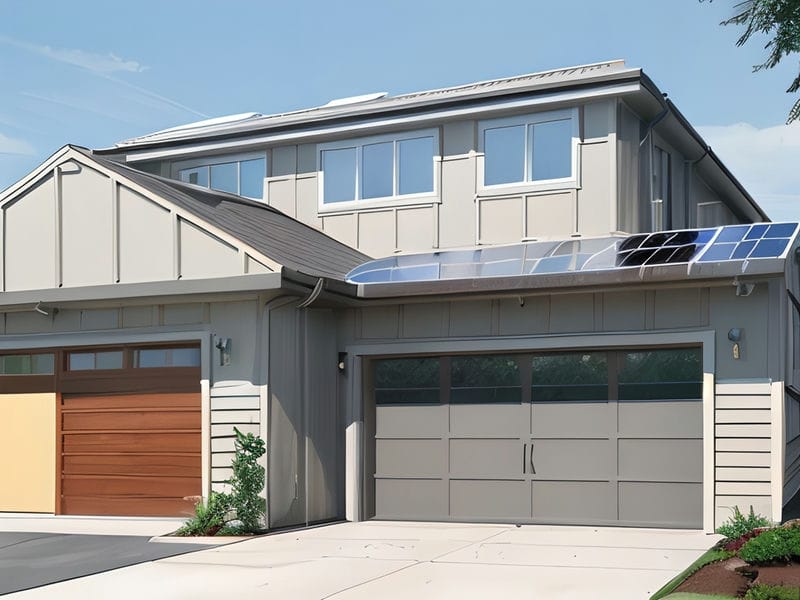
### Integrating Smart HVAC Technology in Garage Designs: Future Trends
As technology continues to evolve at a breakneck pace, the integration of smart HVAC systems into various aspects of home design is becoming increasingly common.. One area that has traditionally been overlooked but is now gaining attention is the garage.
Posted by on 2024-06-22
**Environmental Impact and Sustainability Considerations for Innovative Heating Solutions for Winter-Ready Garages in Manhattan**
As winter descends upon Manhattan, the need for efficient and effective heating solutions becomes paramount, not only within residential spaces but also in often overlooked areas such as garages.. With the increasing emphasis on environmental sustainability, it is crucial to explore innovative heating solutions that align with eco-friendly practices while addressing the unique challenges of urban living.
Manhattan's dense urban environment presents both opportunities and constraints when considering sustainable heating options for garages.
Posted by on 2024-06-22
As the seasons shift, homeowners are reminded of the myriad tasks required to prepare their properties for changing weather conditions.. For garage owners, one essential aspect of seasonal preparation is HVAC maintenance.
Posted by on 2024-06-22
Maintaining an efficient HVAC system in Manhattan garages is crucial for ensuring optimal energy use, reducing utility costs, and promoting a comfortable environment.. Given the unique urban landscape of Manhattan, where every square foot counts and energy efficiency is paramount, implementing energy-saving tips can make a significant difference.
Posted by on 2024-06-22
Creating a comfortable garage space often involves more than just insulating the walls and adding a fresh coat of paint. For those who use their garage as a workshop, gym, or additional living space, installing an effective HVAC system is crucial. However, achieving optimal comfort requires careful planning and execution. In this essay, we'll explore some installation tips and best practices for garage HVAC systems to ensure your garage remains cozy year-round.
First and foremost, it’s essential to assess the specific needs of your garage environment before choosing an HVAC system. Garages can vary widely in size, insulation levels, and usage patterns. Conducting a thorough evaluation helps determine the right system capacity needed to heat or cool the space efficiently. Oversizing or undersizing your HVAC unit can lead to inefficiency, higher energy bills, and inadequate temperature control.
Once you’ve identified the appropriate system size, consider the type of HVAC unit that best suits your needs. Ductless mini-split systems are often recommended for garages because they offer flexible installation options without requiring extensive ductwork. These systems also provide both heating and cooling capabilities with high efficiency ratings. Wall-mounted units are another popular choice as they save floor space and are relatively easy to install.
Proper insulation plays a pivotal role in ensuring your HVAC system operates effectively in a garage setting. Without adequate insulation in walls, ceilings, doors, and windows, much of the conditioned air will be lost to the outdoors. Insulating these areas helps maintain consistent temperatures inside while reducing strain on your HVAC unit.
Ventilation is another critical factor when installing an HVAC system in a garage. Proper ventilation ensures that any fumes from vehicles or chemicals do not accumulate to dangerous levels while also promoting better air quality overall. Integrating exhaust fans or ventilation hoods can help mitigate these hazards.
When positioning your HVAC unit within the garage, aim for locations that promote even air distribution throughout the entire space. Placing vents or air handlers at opposite ends of larger garages can help achieve uniform temperature control by preventing hot or cold spots from developing.

Creating a comfortable garage space can significantly enhance the functionality and livability of your home. Whether you use your garage as a workshop, gym, or recreational area, maintaining an optimal temperature is crucial. However, achieving this goal efficiently and cost-effectively requires careful consideration of HVAC (Heating, Ventilation, and Air Conditioning) solutions.
Energy efficiency should be at the forefront when selecting an HVAC system for your garage. Traditional systems often lead to high energy consumption and increased utility bills because garages typically lack the insulation found in other parts of the house. To mitigate this issue, consider installing energy-efficient units such as mini-split systems. These systems are highly efficient because they allow for zone-specific cooling and heating without extensive ductwork, which is ideal for spaces like garages that may not have pre-existing ducts.
Moreover, investing in proper insulation can dramatically reduce energy wastage. Insulating walls, doors, and windows minimizes heat transfer between the inside of the garage and the external environment. This means your HVAC system won't need to work as hard to maintain a comfortable temperature, resulting in lower energy costs over time.
Another cost-effective solution is utilizing programmable thermostats or smart temperature control systems. These devices allow you to set specific temperatures based on occupancy patterns. For example, if you only use your garage during certain hours of the day or week, you can program the thermostat accordingly to avoid unnecessary heating or cooling when the space is unoccupied.
Additionally, incorporating ceiling fans can help distribute air more evenly throughout the garage. Fans help circulate warm air during winter months and create a cooling effect during summer months by promoting better airflow. This reduces reliance on heating and cooling systems alone.
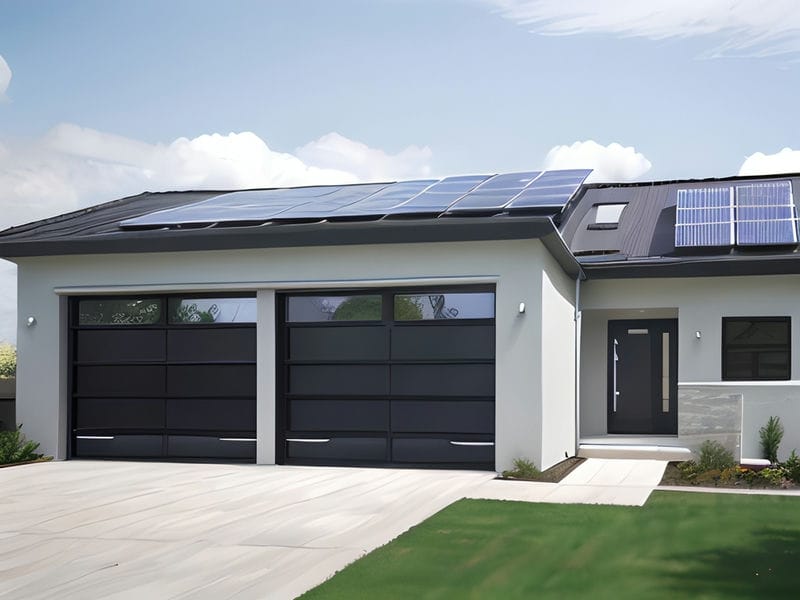
Solar power integration also offers an innovative approach to enhancing energy efficiency while being cost-effective in the long run. Installing solar panels on your garage roof can provide renewable energy directly to your HVAC system or other electrical appliances within the space. While there is an initial investment required for solar setup, it pays off by significantly lowering electricity bills over time.
Lastly, regular maintenance of your HVAC equipment ensures its longevity and efficiency. Simple tasks like changing filters regularly or scheduling professional check-ups can prevent larger issues down the line that could be costly both in terms of repairs and increased energy usage due to inefficiencies.
In conclusion, creating a comfortable garage space with effective HVAC solutions involves a blend of advanced technology and simple practices aimed at maximizing energy efficiency while minimizing costs. By choosing appropriate systems like mini-splits, enhancing insulation, using programmable thermostats, incorporating ceiling fans, considering solar power options, and maintaining equipment rigorously—you ensure that comfort does not come at an exorbitant price but rather through sustainable practices that benefit both you and the environment.
Title: Maintenance and Upkeep of Garage HVAC Systems for a Comfortable Garage Space
Creating a comfortable garage space often requires more than just decluttering or adding some new shelving. For many homeowners, the key to transforming their garage into a usable, enjoyable area lies in the effective installation and maintenance of an HVAC (Heating, Ventilation, and Air Conditioning) system. Properly maintaining your garage HVAC system is crucial not only for comfort but also for efficiency and longevity.
First and foremost, regular maintenance ensures that your HVAC system operates at peak performance. Over time, dust, dirt, and debris can accumulate in the various components of the system. This buildup can lead to reduced airflow, making it harder for your unit to maintain the desired temperature. Simple tasks like replacing air filters every three months can make a significant difference. Filters trap airborne particles that could otherwise clog up the internal mechanisms or circulate back into your garage environment.
Another essential aspect of upkeep involves checking refrigerant levels. An imbalance in refrigerant can cause your system to work harder than necessary, leading to inefficiency and higher energy bills. Low refrigerant levels might even indicate a leak somewhere in the system that needs professional attention. Conducting regular inspections will help you catch such issues before they escalate into costly repairs or replacements.
Additionally, routine maintenance includes inspecting electrical connections and controls. Loose wires or faulty sensors can pose safety risks as well as operational problems. Regular checks by a qualified technician can prevent these hazards while ensuring that all electrical components function correctly.
The thermostat is another critical part of your garage HVAC setup that requires regular attention. Ensuring it’s calibrated correctly allows for accurate temperature readings and efficient operation of your heating or cooling systems. A malfunctioning thermostat could result in inconsistent temperatures, making your garage uncomfortable during extreme weather conditions.
Ventilation is equally vital when discussing HVAC systems in garages. Poor ventilation not only affects air quality but also impacts how efficiently your heating or cooling units operate.
The Benefits of a Well-Regulated Temperature in Your Garage
When one thinks about home comfort, the garage is often overlooked. Yet, this versatile space can serve numerous purposes beyond just housing vehicles. Whether it’s used as a workshop, gym, or additional storage area, maintaining a well-regulated temperature in your garage can significantly enhance its functionality and comfort. HVAC solutions tailored for garages offer an array of benefits that transform this frequently neglected zone into an integral part of your living space.
First and foremost, regulating the temperature in your garage extends the longevity of items stored there. Extreme temperatures can wreak havoc on tools, paints, electronics, and other valuables. For instance, cold weather can cause metal tools to become brittle and prone to breaking while high heat might lead to paint cans exploding or electronics malfunctioning. By installing an efficient HVAC system, you mitigate these risks and ensure that your possessions remain in good condition year-round.
A comfortable garage environment also enhances productivity for those who use the space as a workshop or hobby area. Imagine trying to focus on intricate woodworking tasks with numb fingers caused by freezing temperatures or attempting car repairs in sweltering heat where sweat drips into your eyes every few seconds. A consistent climate allows you to work more efficiently and comfortably regardless of external weather conditions.
Moreover, if your garage doubles as a fitness area, temperature control becomes even more crucial. Exercising in extreme cold is not only uncomfortable but potentially harmful due to stiff muscles that are more susceptible to injury. Conversely, working out in excessive heat can lead to dehydration and overheating. An HVAC system ensures that your workout environment remains safe and conducive to achieving your fitness goals without unnecessary strain on your body.
Energy efficiency is another compelling reason for incorporating HVAC solutions into your garage design. Modern systems are designed with energy conservation in mind; they maintain optimal temperatures without consuming exorbitant amounts of electricity. This not only reduces your carbon footprint but also results in significant savings on utility bills over time.
Additionally, maintaining a stable temperature helps protect any vehicles stored within the garage from harsh environmental factors that could affect their performance and lifespan. Cold starts during winter months become less taxing on engines when they’re kept at moderate temperatures overnight. Similarly, avoiding drastic heat prevents components like tires and batteries from degrading prematurely due to constant exposure.