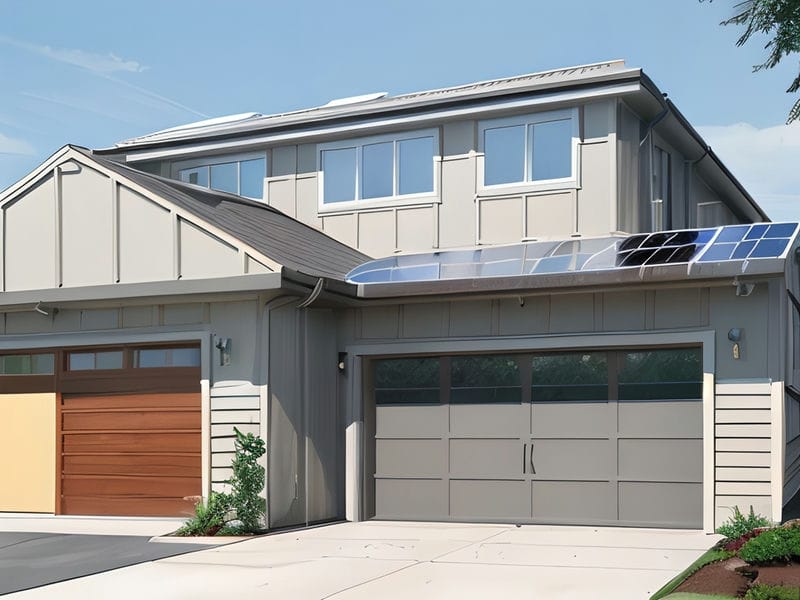
Integrating Smart HVAC Technology in Garage Designs
Posted by on 2024-06-22
Benefits of Smart HVAC in Garage Spaces
### Benefits of Smart HVAC in Garage Spaces
In modern home design, the garage is evolving from a simple vehicle storage area to a multifunctional space that can serve as an extension of the living environment. This transformation often requires innovative solutions to ensure comfort, efficiency, and functionality. Among these innovations, integrating smart HVAC (Heating, Ventilation, and Air Conditioning) technology stands out as a particularly beneficial enhancement for garage spaces.
First and foremost, smart HVAC systems offer unparalleled control over the indoor climate of garages. Traditional HVAC systems are often limited by manual settings and lack precise temperature management. In contrast, smart HVAC units can be controlled remotely via smartphones or integrated home automation systems. This allows homeowners to adjust the temperature before entering the garage, ensuring it is comfortable upon arrival whether it’s being used as a workshop, gym, or even an entertainment area.
Another significant advantage of smart HVAC technology in garages is energy efficiency. Garages typically suffer from poor insulation compared to other parts of the house which can lead to significant energy loss when heating or cooling these spaces with conventional systems. Smart HVAC systems use advanced sensors and learning algorithms to optimize energy usage based on real-time data and user habits. For example, they can detect when the garage is unoccupied and automatically reduce heating or cooling to save energy without sacrificing comfort.
Additionally, air quality improvement is a critical benefit provided by smart HVAC solutions in garages. Garages are often susceptible to pollutants such as car exhaust fumes, chemicals from stored items like paints or solvents, and dust accumulation. Smart HVAC units equipped with high-quality filters can significantly enhance air quality by continuously monitoring pollutant levels and adjusting ventilation accordingly. Some advanced models also come with air purifiers that actively remove contaminants from the air.
Furthermore, integrating smart HVAC systems into garage designs can contribute significantly to overall property value. As more homebuyers seek properties equipped with modern technologies that promise convenience and sustainability, homes featuring smart garages stand out in competitive real estate markets. The ability to showcase a high-tech garage that offers superior climate control and improved air quality adds a unique selling point that appeals especially to tech-savvy buyers.
The flexibility offered by smart HVAC systems also encourages creative uses for garage spaces beyond traditional purposes. Homeowners who might have been deterred by extreme temperatures can now consider converting their garages into hobby rooms, home gyms, or even guest suites knowing they have reliable climate control at their fingertips.
Lastly but importantly, safety enhancements cannot be overlooked when discussing benefits of smart HVAC in garages. Certain models come equipped with features like carbon monoxide detectors that alert homeowners if levels become dangerously high—a critical feature given the potential risks associated with running vehicles inside enclosed spaces.
In conclusion, integrating smart HVAC technology into garage designs offers numerous advantages ranging from enhanced comfort and energy efficiency to improved air quality and increased property value. These benefits collectively make a compelling case for adopting this innovative approach as part of any comprehensive home improvement strategy aimed at maximizing both utility and appeal of residential properties' underutilized areas like garages.
Key Features of Smart HVAC Systems
Integrating smart HVAC technology into garage designs is not only a trend but a transformative approach to enhancing both functionality and energy efficiency. Smart HVAC systems bring a plethora of innovative features that cater specifically to the unique demands of garages, making them an indispensable component in modern architectural planning.
One of the standout features of smart HVAC systems is their advanced climate control capabilities. Traditional garages are often plagued by extreme temperature fluctuations, which can affect everything from vehicle performance to stored items' longevity. Smart HVAC systems utilize sensors and IoT (Internet of Things) technology to monitor real-time conditions within the garage. These sensors detect temperature changes, humidity levels, and even air quality, adjusting the system's output accordingly to maintain optimal conditions throughout the day.
Energy efficiency is another critical feature that sets smart HVAC systems apart. Garages typically suffer from poor insulation compared to other parts of the home, leading to substantial energy waste. With intelligent zoning and programmable thermostats, smart HVAC systems can focus heating or cooling efforts precisely where needed. Some models even offer learning algorithms that adapt to usage patterns over time, ensuring minimal energy consumption while maintaining comfort.
Remote accessibility further adds convenience and control for homeowners integrating smart HVAC technology into their garages. Through smartphone apps or voice-activated assistants like Amazon Alexa or Google Home, users can easily adjust settings from anywhere in the world. This level of control is especially beneficial for those who use their garages as multifunctional spaces—whether it's a workshop needing consistent temperatures or a home gym requiring specific ventilation settings during workouts.
Moreover, predictive maintenance is another game-changing feature offered by smart HVAC systems. Traditional units often break down unexpectedly due to wear and tear that's gone unnoticed until it's too late. Smart systems continuously monitor their own performance metrics and provide alerts when components need servicing or replacing before they fail completely. This proactive approach not only extends the lifespan of the equipment but also reduces long-term maintenance costs.
Integration with other smart home devices enhances these benefits even further. For instance, connecting your smart garage door opener with your HVAC system allows automatic adjustments when you enter or leave the space—saving energy when it's unoccupied yet ensuring comfort as soon as you arrive. Additionally, incorporating security cameras with environmental controls ensures that both safety and comfort are prioritized seamlessly.
In conclusion, incorporating smart HVAC technology into garage designs offers numerous advantages: superior climate control through precise sensor monitoring; significant energy savings via intelligent zoning and adaptive learning; unparalleled convenience through remote access; enhanced durability thanks to predictive maintenance; and seamless integration with other smart home devices for holistic management of living environments. As our homes become increasingly interconnected ecosystems designed for efficiency and ease-of-use, embracing these key features in our garage designs stands out as an essential step forward in modern living solutions.
Installation Considerations for Garages
When integrating smart HVAC technology into garage designs, several installation considerations must be meticulously addressed to ensure optimal functionality, efficiency, and safety. Garages, often overlooked in home climate control strategies, present unique challenges and opportunities that require thoughtful planning.
Firstly, the structural integrity and insulation quality of the garage play a pivotal role. Unlike traditional living spaces, garages are typically not as well insulated or sealed. This can lead to significant energy loss if not properly addressed. Therefore, before installing any HVAC system, it's crucial to assess and upgrade the insulation of walls, doors, and even flooring if necessary. High-quality weather stripping around windows and doors can also prevent drafts and maintain temperature consistency.
Another critical factor is ventilation. Garages often house vehicles and other equipment that emit fumes or chemicals potentially harmful if accumulated over time. Smart HVAC systems should be integrated with advanced ventilation solutions to ensure continuous air exchange while maintaining indoor air quality. Implementing sensors that detect pollutants or carbon monoxide can enhance safety by triggering ventilation automatically when hazardous levels are detected.
Space utilization within the garage is another consideration. Traditional HVAC units might take up considerable space which could interfere with vehicle storage or workspace area. Compact or wall-mounted smart HVAC units can mitigate this issue effectively. Additionally, zoning capabilities offered by smart systems allow for precise control over specific areas of the garage—be it a workstation requiring more warmth during winter months or general areas that need minimal heating or cooling.
Connectivity is at the heart of smart technology integration. Ensuring reliable internet connectivity in your garage is paramount for seamless operation of smart HVAC systems which rely on real-time data transmission for monitoring and adjustments via mobile apps or voice-controlled devices like Amazon Echo or Google Home. Extending Wi-Fi coverage using mesh networks or dedicated extenders may be necessary in some setups.
Energy efficiency cannot be overstated when considering installation options for smart HVAC systems in garages. These systems should ideally come equipped with energy-saving modes and learning algorithms that adapt to usage patterns over time reducing unnecessary power consumption without compromising comfort levels.
Lastly, professional installation is recommended unless you possess substantial experience with HVAC systems given their complexity especially when integrating "smart" components.. Certified installers will ensure proper setup adhering to local building codes while optimizing performance through correct calibration of sensors and controls..
In conclusion,, integrating smart HVAC technology into garage designs demands careful consideration ranging from insulation improvements., effective ventilation., efficient space utilization ,ensuring robust connectivity,. prioritizing energy efficiency ,and opting for professional installation . By addressing these aspects comprehensively,, homeowners can transform their garages into comfortable functional spaces leveraging modern advancements in climate control technology..
Energy Efficiency and Cost Savings
**Energy Efficiency and Cost Savings: Integrating Smart HVAC Technology in Garage Designs**
In the modern age of technological advancement, the integration of smart HVAC (Heating, Ventilation, and Air Conditioning) systems into garage designs is transforming not just comfort levels but also energy efficiency and cost savings. This innovative approach serves to enhance the overall functionality of garages, which are evolving from simple storage spaces to multifunctional areas that demand controlled environments.
Smart HVAC technology leverages sensors, automation, and connectivity to optimize temperature regulation and air quality. By using intelligent thermostats and automated ventilation systems, these advanced setups can detect fluctuations in temperature or humidity and adjust accordingly without human intervention. This adaptability ensures that energy consumption is minimized during periods of low activity while providing optimal conditions when needed.
One primary advantage of smart HVAC systems in garages is their ability to reduce energy wastage significantly. Traditional heating and cooling systems often run continuously at a fixed setting regardless of actual demand. In contrast, smart systems precisely modulate their operation based on real-time data. For example, if a sensor detects that no one has entered the garage for an extended period, it can trigger the system to lower heating or cooling outputs to conserve energy. Similarly, if a vehicle enters emitting heat or cold air due to outside weather conditions, the system can promptly adapt to maintain a stable environment.
Cost savings naturally follow improvements in energy efficiency. Homeowners investing in smart HVAC technology for their garages may see substantial reductions in utility bills over time. The initial outlay for such advanced systems can be offset by long-term savings on electricity and fuel costs due to more efficient usage patterns. Additionally, many regions offer rebates or incentives for adopting energy-efficient technologies which can further alleviate upfront expenses.
Moreover, integrating smart HVAC technology contributes positively towards environmental sustainability by reducing carbon footprints associated with excessive energy use. As societies globally push towards greener living practices, adopting such innovations supports broader ecological goals while benefiting individual households financially.
Beyond financial considerations, enhancing garage environments through smart climate control can also protect valuable assets stored within these spaces. Vehicles, tools, electronics – all benefit from consistent temperature regulation which prevents damage from extreme temperatures or moisture build-up. This protection translates indirectly into cost savings by prolonging the lifespan of belongings housed in the garage.
In conclusion, integrating smart HVAC technology into garage designs epitomizes how modern advancements can harmonize comfort with practicality through enhanced energy efficiency and significant cost savings. As our homes continue evolving alongside technological progressions aimed at sustainability and convenience; embracing such intelligent solutions becomes not just advantageous but essential for future-forward living standards.
Integration with Home Automation Systems
### Integration with Home Automation Systems: Integrating Smart HVAC Technology in Garage Designs
In today's rapidly evolving landscape of smart technology, the integration of home automation systems has transcended beyond the main living spaces to include often-overlooked areas such as garages. Traditionally perceived as mere storage or parking spaces, garages are being reimagined through the lens of smart HVAC (Heating, Ventilation, and Air Conditioning) technology. This shift not only enhances energy efficiency but also augments comfort and functionality.
The cornerstone of integrating smart HVAC technology into garage designs lies in its seamless compatibility with broader home automation systems. Modern homeowners seek cohesive ecosystems where devices communicate fluidly, fostering convenience and efficiency. By incorporating smart HVAC solutions within this framework, it becomes possible to maintain optimal temperature and air quality in garages without manual intervention.
One significant advantage is energy efficiency. Garages frequently serve multiple purposes—workshops, gyms, or even extended living areas—and maintaining a suitable climate can be challenging with traditional HVAC systems. Smart thermostats tailored for garage use can learn usage patterns and adjust settings dynamically to minimize energy consumption while ensuring comfort. For instance, these devices can lower heating during periods of inactivity and ramp up just before anticipated use based on historical data.
Moreover, integrating smart HVAC systems into a comprehensive home automation ecosystem allows for centralized control via smartphones or voice-activated assistants like Amazon Alexa or Google Assistant. This enables homeowners to monitor and adjust garage temperatures remotely—a crucial feature for those who utilize their garages for temperature-sensitive activities or storage.
Air quality management is another critical aspect addressed by smart HVAC integration. Garages are prone to pollutants from vehicles and stored chemicals which can seep into adjoining living spaces if unchecked. Advanced ventilation systems equipped with sensors can detect harmful substances like carbon monoxide and activate exhaust fans preemptively, thereby safeguarding indoor air quality.
Furthermore, intelligent zoning capabilities allow for customized climate settings within different sections of the garage based on specific needs—be it a cooler environment near vehicle engines or warmer conditions at a workstation. This level of precision ensures that each area operates under ideal conditions without wasting resources.
Integrating these technologies also aligns well with sustainable living practices by reducing unnecessary energy expenditure and enhancing overall household efficiency. Many modern smart HVAC systems come equipped with features that provide real-time insights into energy usage patterns and suggest optimizations accordingly.
However, the journey towards fully integrated smart garages is not devoid of challenges. Initial installation costs can be high due to the need for specialized equipment and professional setup services. Compatibility issues between various brands' devices might also pose hurdles requiring careful planning during system selection.
In conclusion, integrating smart HVAC technology into garage designs represents an exciting frontier in home automation that promises enhanced comfort, superior air quality management, precise control mechanisms, and notable energy savings—all contributing towards smarter living environments. As technological advancements continue unabatedly transforming our homes' functionality landscapes—from basements to attics—the humble garage stands poised next-in-line witnessing transformative benefits brought forth by innovative integrations making everyday life smoother than ever before!
Maintenance and Troubleshooting Tips
Integrating Smart HVAC Technology in Garage Designs: Maintenance and Troubleshooting Tips
In the modern realm of residential design, garages have evolved far beyond mere storage spaces for vehicles. Today, they serve as workshops, home gyms, and even extensions of living areas. To maximize comfort and utility in these versatile spaces, integrating smart HVAC (Heating, Ventilation, and Air Conditioning) technology has become increasingly popular. However, like any sophisticated system, maintaining efficient operation requires regular maintenance and the ability to troubleshoot issues effectively.
One fundamental aspect of maintaining a smart HVAC system is routine inspection. Regularly checking components such as filters, vents, thermostats, and ductwork can prevent minor problems from ballooning into major repairs. Filters should be cleaned or replaced every few months to ensure optimal airflow and air quality. Clogged filters not only strain the system but also reduce its efficiency. Additionally, inspecting vents for obstructions ensures that conditioned air circulates freely within the garage.
Smart thermostats are central to modern HVAC systems' functionality in garages. These devices can learn user preferences over time and adjust temperatures accordingly for optimal comfort and energy efficiency. Despite their advanced features, smart thermostats need periodic updates to incorporate new software enhancements or bug fixes released by manufacturers. Ensuring that your thermostat’s firmware is up-to-date will prevent compatibility issues with other connected devices or unexpected malfunctions.
Ventilation is another critical component of an efficient garage HVAC setup. Garages often harbor volatile organic compounds (VOCs), fumes from vehicles or chemicals stored within them that can degrade indoor air quality if not properly ventilated. Smart ventilation systems equipped with sensors can detect pollutants and automatically increase airflow when necessary. Regularly inspecting these sensors ensures they remain accurate; dust buildup or sensor misalignment can lead to inaccurate readings which compromise both comfort and safety.
When troubleshooting common problems with smart HVAC systems in garages, connectivity issues often top the list. Given that many smart components rely on Wi-Fi connections for control via smartphone apps or integration with home automation systems like Amazon Alexa or Google Home Assistant—ensuring a robust network signal in your garage is crucial A simple fix might involve repositioning your router closer to the garage or using a Wi-Fi extender.
Sometimes despite meticulous care things do go awry - here diagnostic tools come handy Many smart HVAc units offer self-diagnostic capabilities accessible through companion apps .These diagnostics provide error codes indicating specific problems thus helping users identify whether it’s something they could address themselves e.g., resetting breaker switches ,or necessitating professional intervention .
Speaking about professionals ,it’s advisable scheduling annual check-ups by certified technicians who possess expertise dealing complex technologies embedded within current-day hvac architectures not only prolongs lifespan equipments but also assures uninterrupted performance throughout year-round seasons
In conclusion incorporating cutting-edge hvac solutions into contemporary-garage-design augments functional versatility alongside ensuring environment conducive multiple uses however key lies diligent adherence prescribed-maintenance routines coupled timely resolution arising hitches – thereby reaping full benefits offered technological advancements seamlessly integrated living spaces
Future Trends in Smart HVAC Technology
### Integrating Smart HVAC Technology in Garage Designs: Future Trends
As technology continues to evolve at a breakneck pace, the integration of smart HVAC systems into various aspects of home design is becoming increasingly common. One area that has traditionally been overlooked but is now gaining attention is the garage. Once considered merely a space for parking cars and storing miscellaneous items, modern garages are evolving into multifunctional spaces. This transformation necessitates advanced climate control solutions, and smart HVAC technology stands poised to meet this demand.
The future trends in smart HVAC technology for garage designs hinge on several key developments: energy efficiency, automation, connectivity, and adaptability. Each of these facets contributes to creating an optimized environment that meets the diverse needs of today’s homeowners.
**Energy Efficiency**
One of the most significant trends in smart HVAC systems is their focus on energy efficiency. Traditional heating and cooling systems can be wasteful, often running unnecessarily or at inappropriate settings. Future smart HVAC units will feature sophisticated sensors that adjust temperature based on real-time data such as occupancy levels and external weather conditions. By doing so, they ensure that only the necessary amount of energy is used to maintain a comfortable environment. Additionally, incorporating renewable energy sources like solar panels into these systems will further reduce their carbon footprint.
**Automation**
Automation is another pivotal trend shaping the future of smart HVAC technology in garages. Automated systems can be programmed to operate during specific times or under certain conditions without human intervention. For instance, if your garage doubles as a workshop or gym, you might want it cooler during workout hours and warmer when it's empty or functioning as storage space. Future advancements could allow these systems to learn from user behavior patterns over time, automatically adjusting settings for optimal comfort and efficiency.
**Connectivity**
The Internet of Things (IoT) plays an essential role in making HVAC systems smarter through enhanced connectivity. IoT-enabled devices can communicate with each other seamlessly via Wi-Fi or other wireless technologies. Imagine receiving an alert on your smartphone when there’s an issue with your garage’s climate control system or being able to adjust settings remotely if unexpected changes occur while you're away from home.
Moreover, integrating these systems with voice-activated assistants like Amazon Alexa or Google Home offers hands-free convenience that enriches user experience significantly. The ability to give simple voice commands means you don’t even need to lift a finger to create your ideal indoor climate.
**Adaptability**
Finally, adaptability will be crucial for future HVAC technologies designed for garages. Unlike traditional rooms within a house that generally serve one primary function (e.g., sleeping or cooking), garages are multi-use spaces requiring variable climate control solutions tailored to different activities—whether it's car maintenance in winter months or hobby projects during summer heatwaves.
Advanced materials like phase-change materials (PCMs) could become standard features within walls and floors to help regulate temperature passively by absorbing excess heat or releasing it when temperatures drop too low. This would provide an additional layer of thermal management complementary to active heating and cooling efforts led by smart HVAC units.
In conclusion, integrating smart HVAC technology into garage designs represents an exciting frontier ripe with possibilities aimed at improving both functionality and sustainability. As technological innovations continue driving forward energy efficiency measures alongside automation capabilities enriched by IoT-connectivity—all while maintaining high levels of adaptability—the humble garage stands ready for its upgrade into a truly modern utility space capable of meeting tomorrow's demands today.