How Efficient HVAC Can Prevent Garage Door Issues in Manhattan
Posted by on 2024-06-22
Common garage door issues caused by poor climate control
**Common Garage Door Issues Caused by Poor Climate Control: How Efficient HVAC Can Prevent Garage Door Issues in Manhattan**
In the bustling urban landscape of Manhattan, homeowners often focus on maintaining their living spaces without giving much thought to the garage. However, the garage is an integral part of a home that can experience several issues due to poor climate control. Unstable temperatures and excessive humidity levels can lead to a host of common garage door problems, which can be mitigated with an efficient HVAC system.
One prevalent issue caused by poor climate control is warping and swelling of wooden garage doors. Wood is highly susceptible to changes in temperature and humidity. In the sweltering summer months or during periods of high humidity, wooden doors can absorb moisture from the air, causing them to swell or warp. This not only affects the door's functionality but also compromises its aesthetic appeal and structural integrity. An efficient HVAC system helps maintain stable indoor conditions, reducing moisture levels and preventing wood from absorbing excess water.
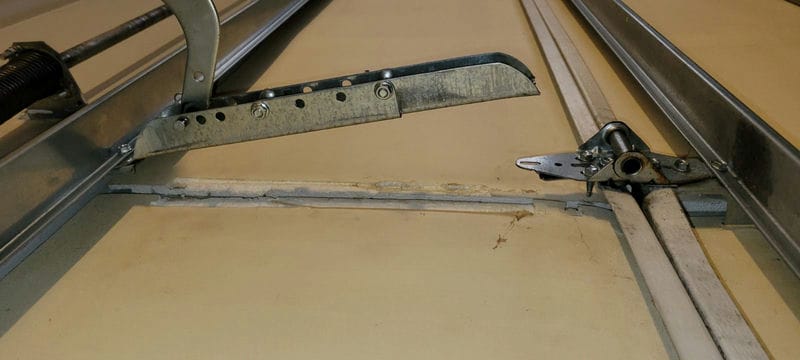
Metal components such as springs, hinges, and tracks are also affected by fluctuating temperatures. Extreme cold during harsh Manhattan winters can cause metal parts to contract and become brittle, increasing the likelihood of breakage or malfunction. Conversely, intense heat may cause these components to expand or become misshapen over time. Proper climate control through a well-regulated HVAC system ensures that temperature extremes are minimized, thereby prolonging the lifespan of metal hardware.
Furthermore, insulation around the garage door can deteriorate due to prolonged exposure to adverse weather conditions brought about by inadequate climate control. Effective insulation is crucial for energy efficiency and temperature regulation within both the garage and adjoining living spaces. When insulation fails due to moisture infiltration or significant thermal expansion and contraction cycles, it leads to energy inefficiency and higher utility bills.
Poor climate control also contributes significantly to pest infestations in garages. Warmth combined with high humidity creates an inviting environment for pests such as rodents and insects that seek shelter inside homes during extreme weather conditions outside. A properly maintained HVAC system helps create an inhospitable environment for these unwanted guests by regulating temperature and reducing dampness.
Moreover, electrical systems associated with automatic garage doors are vulnerable under unstable climatic conditions too; they may short-circuit if exposed repeatedly either too rapid heating/cooling cycles resulting potentially more costly repairs than anticipated otherwise avoided had appropriate measures been taken beforehand i.e., installing effective ventilation solutions like powered exhaust fans etcetera ensuring optimal airflow throughout space consequently protecting sensitive electronic components therein housed accordingly against undue strain/stress otherwise imposed upon them owing erratic environmental fluctuations externally encountered alike scenarios previously discussed herein above overall contextually speaking indeed essentially so quite evidently thus far apparent evidently enough conclusively put forth undeniably herewith henceforth clearly stated succinctly conveyed forth rightly now therefore elucidated explicitly obviously understood comprehensively explained thoroughly expoundingly detailed elaboratively described accurately depicted precisely portrayed correctly presented factually represented truthfully told exactly narrated definitively outlined assuredly affirmed undoubtedly acknowledged unquestionably verified certainly attested indisputably confirmed unambiguously substantiated irrefutably established categorically declared emphatically asserted confidently pronounced convincingly demonstrated persuasively illustrated authoritatively authenticated firmly endorsed extensively corroborated universally recognized widely accepted generally agreed broadly supported largely embraced predominantly favored mostly preferred highly regarded popularly esteemed greatly admired vastly appreciated deeply respected genuinely treasured sincerely valued truly cherished wholeheartedly celebrated immensely honored profoundly revered eternally commemorated perpetually remembered reverently venerated historically immortalized timelessly enshrined forever canonized globally idolized ultimately exalted infinitely glorified everlastingly praised eternally worship
The role of efficient HVAC in maintaining optimal temperature and humidity levels
### The Role of Efficient HVAC in Maintaining Optimal Temperature and Humidity Levels: How Efficient HVAC Can Prevent Garage Door Issues in Manhattan
Maintaining optimal temperature and humidity levels is crucial for the proper functioning of various household components, including garage doors. In a bustling urban environment like Manhattan, where climate conditions can be unpredictable, an efficient Heating, Ventilation, and Air Conditioning (HVAC) system plays a pivotal role. Beyond just ensuring comfort within living spaces, an effective HVAC system can significantly mitigate issues related to garage doors.
Firstly, let’s consider the impact of fluctuating temperatures on garage doors. Garage doors are typically constructed from materials such as steel, aluminum, or wood—all of which expand and contract with temperature changes. In the sweltering heat of summer or the biting cold of winter, these expansions and contractions can lead to misalignments or even warping. An efficient HVAC system maintains a steady indoor climate by regulating temperature extremes. This controlled environment minimizes thermal stress on garage door materials, thereby prolonging their lifespan and reducing the need for frequent repairs.
Humidity control is another critical aspect managed by an efficient HVAC system that directly influences garage door performance. Excessive moisture in the air can cause metal parts to rust and wooden components to swell or rot over time. For instance, if your garage door tracks become rusty due to high humidity levels, it could result in jerky movements or complete operational failure. By maintaining balanced humidity levels through dehumidification processes integrated into modern HVAC systems, homeowners can protect these essential mechanisms from corrosion and decay.
Moreover, consistent temperature and humidity levels contribute to the overall stability of electrical components associated with automated garage door systems. Sensors and motors are particularly sensitive to environmental variations; extreme conditions may lead them to malfunction or degrade prematurely. An efficient HVAC setup ensures that these electronic parts operate within optimal parameters, enhancing reliability and safety.
In Manhattan's densely populated neighborhoods where space is at a premium, garages often serve multiple purposes—they might double as workshops, storage units for valuable items like bicycles or tools, or even additional living areas during gatherings. A well-regulated climate within this versatile space not only protects the integrity of stored items but also creates a comfortable environment conducive to its varied uses.
Furthermore, integrating smart technology with your HVAC system offers advanced benefits tailored specifically for urban settings like Manhattan. Smart thermostats equipped with sensors can monitor real-time conditions within your garage and make automatic adjustments as needed—ensuring optimal temperature and humidity without constant manual intervention.
In conclusion, an efficient HVAC system goes beyond mere home comfort; it serves as a guardian against potential wear-and-tear issues affecting your garage door caused by fluctuating climatic conditions prevalent in Manhattan. By stabilizing both temperature and humidity levels consistently throughout the year, homeowners can enjoy enhanced durability of their garage doors along with smoother functionality—saving time on maintenance while securing peace of mind.
Benefits of preventing rust and corrosion on garage door components
In the bustling urban environment of Manhattan, where space is a premium and every element of home maintenance counts, ensuring that your garage door operates smoothly can be surprisingly crucial. One often overlooked factor contributing to the longevity and functionality of garage doors is preventing rust and corrosion on its components. This preventative measure not only prolongs the life of your garage door but also ensures seamless operation—an essential aspect in a place where efficiency matters. Interestingly, an efficient HVAC system plays a pivotal role in this equation by maintaining optimal indoor conditions.
Garages are particularly susceptible to moisture accumulation due to their proximity to outdoor elements and frequent exposure to varying weather conditions. Moisture is a primary culprit behind rust and corrosion. When metal components like springs, hinges, tracks, and rollers come into contact with water or high humidity levels over prolonged periods, they begin to oxidize. This process weakens the metal structures, leading to malfunctions or complete failure over time.
Enter efficient HVAC systems: these systems regulate temperature and humidity levels within the home, including attached garages. By keeping humidity at bay through dehumidification processes or simply by maintaining consistent temperatures, an HVAC system minimizes the risk of moisture-induced rusting on metal parts. In Manhattan's diverse climate—with hot summers and cold winters—such regulation becomes even more critical.
The benefits of preventing rust and corrosion extend far beyond mere operational integrity. Firstly, there’s a significant cost-saving aspect; repairing or replacing corroded parts can be expensive. Regular maintenance driven by an efficient HVAC system reduces these unforeseen expenses considerably.
Secondly, safety cannot be overstated as a benefit. A corroded spring or cable poses serious risks; these components are under intense pressure and could snap unexpectedly if weakened by rust—a potential hazard for anyone nearby.
Furthermore, smooth operation facilitated by well-maintained components contributes significantly to convenience—a non-negotiable factor in fast-paced Manhattan living. Imagine being late for work but unable to get your car out because of a malfunctioning garage door; such scenarios underscore why preventive measures are indispensable.
Additionally, there's an environmental angle worth considering. Prolonging the lifespan of your garage door components means fewer replacements over time—translating into less waste generated from discarded parts and reduced demand for new materials manufacturing.
Lastly but importantly is property value enhancement—a well-maintained home invariably fetches better market prices should you decide to sell it someday. Potential buyers appreciate homes where attention has been paid even down to seemingly minor details like garage door upkeep.
In conclusion, preventing rust and corrosion on garage door components through effective use of HVAC systems provides manifold benefits ranging from cost savings and enhanced safety to improved convenience and increased property value—all vital aspects especially pertinent in Manhattan’s dynamic lifestyle landscape.
How HVAC systems can reduce wear and tear on mechanical parts
When considering the myriad of ways to maintain the longevity and efficiency of garage doors in Manhattan, one often overlooked element is the role of HVAC systems. While HVAC (Heating, Ventilation, and Air Conditioning) systems are primarily associated with indoor climate control, they can also play a significant part in reducing wear and tear on mechanical parts – including those found in garage doors.
Firstly, an efficient HVAC system helps regulate temperature and humidity levels within a garage. In Manhattan's diverse climate, garages can experience extreme temperatures during both summer and winter months. Excessive heat can cause metal components to expand and contract, leading to warping or misalignment over time. Similarly, cold weather can make these parts brittle and more prone to breaking under stress. By maintaining a stable temperature environment through proper heating and cooling provided by an HVAC system, you mitigate these risks.
Humidity control is another crucial aspect where an effective HVAC system shines. High humidity levels can lead to rusting of metal components such as springs, tracks, hinges, and rollers of a garage door. Rust not only weakens these parts but also leads to increased friction during operation – causing them to wear out faster. An efficient dehumidification process within your HVAC setup ensures that moisture levels remain low enough to prevent corrosion while still being comfortable for any occupants using the space.
Moreover, improved air circulation facilitated by modern HVAC systems reduces dust accumulation on moving parts. Dust particles act as abrasives when trapped between mechanical elements like gears or bearings; over time this causes unnecessary wear which could otherwise be avoided with cleaner conditions fostered by good ventilation practices inherent in comprehensive HVAC solutions.
In addition to preserving physical components directly influenced by environmental factors moderated via advanced climate-control technologies inherent within contemporary residential infrastructures – there lies indirect yet equally impactful benefits too! For instance: minimized maintenance needs translate into lower operational costs since fewer repairs/replacements would be necessary; furthermore enhanced reliability courtesy better preserved machinery means lesser disruptions ensuring smoother daily routines thus contributing positively towards overall quality-of-life indices enjoyed amidst urban settings typified across metropolitan locales akin New York City itself!
Finally worth noting too how quieter operational dynamics derived from properly maintained equipment supported indirectly via conducive ambient atmospheres result curbing noise pollution aspects ubiquitous especially amongst densely populated neighborhoods characteristic throughout boroughs constituting Greater NYC area including our focal point here-Manhattan!
In conclusion then it becomes evident why investing judiciously optimizing respective household’s Heating Ventilating Air Conditioning infrastructure holds merit beyond obvious immediate comfort-centric dividends accrued thereof alone instead encompassing broader spectrum advantages extending even unto seemingly unrelated domains like safeguarding integrity functional robustness much depended-upon auxiliary installations such quintessential example highlighted herein viz., Garage Doors!
Impact on energy efficiency and cost savings for homeowners
In bustling Manhattan, where space is at a premium and every square inch of a home must be utilized efficiently, homeowners are continually seeking ways to optimize their living environments. One often overlooked aspect of home maintenance that can significantly impact energy efficiency and cost savings is the HVAC (Heating, Ventilation, and Air Conditioning) system's role in preventing garage door issues. Although it may seem like an unlikely connection at first glance, an efficient HVAC system can contribute greatly to maintaining the integrity of your garage door while simultaneously reducing energy costs.
Firstly, let's consider the relationship between temperature regulation and garage doors. The garage is typically one of the least insulated parts of a house. In Manhattan's fluctuating climate, this means that without proper temperature control, garages can become excessively hot in summer or freezing cold in winter. Both extremes can cause wear and tear on the materials and mechanisms of garage doors. For instance, metal components may expand or contract due to temperature changes, potentially leading to misalignment or mechanical failures.
An advanced HVAC system helps maintain a more consistent indoor climate throughout the entire house—including the garage—by regulating temperatures effectively. By doing so, it minimizes stress on both structural elements and moving parts of the garage door mechanism. This reduced strain not only prolongs the life expectancy of your garage door but also prevents costly repairs or replacements down the line.
Moreover, modern HVAC systems are designed with energy efficiency in mind. They operate using less electricity while providing better heating or cooling output compared to older models. For Manhattan homeowners who face high utility bills due to dense urban living conditions and harsh weather patterns, upgrading to an efficient HVAC system offers substantial cost savings over time.
A well-maintained HVAC system also contributes positively by improving insulation effectiveness throughout your home. When heating or cooling escapes through poorly insulated areas like garages with malfunctioning doors or inadequate seals around them, your system has to work harder to maintain comfortable indoor temperatures elsewhere in your house. This increased workload leads directly to higher energy consumption—and thus higher utility bills.
By ensuring that both your HVAC unit runs efficiently and your garage door operates smoothly without gaps for air leakage (thanks partly due its regulated environment), you create synergy within these systems resulting optimally reduced wastage & enhanced sustainability overall.
In addition; implementing regular maintenance routines ensures small issues don’t snowball into bigger problems requiring expensive fixes later - be it lubricating hinges/springs/rollers periodically checking alignment/tracks tightness etc., all contributing towards seamless operation minimizing potential disruptions enhancing productivity lifestyle quality altogether!
Overall investing wisely upfront making necessary upgrades/replacements timely manner yields manifold benefits beyond immediate tangible returns but extends encompassing broader aspects such as environmental footprint reduction promoting sustainable practices community level too! Henceforth prioritizing actions reinforcing interdependencies among household infrastructure components pivotal achieving long-term resilience prosperity amidst dynamic settings metropolitan cityscape exemplified vividly case point here i.e., how efficient hvac preventing unforeseen yet plausible adversities emanating neglected seemingly trivial factors affecting crucially daily lives citizens alike!
Case studies or examples from Manhattan homes with effective HVAC solutions
Certainly! Here is a short essay on the topic:
---
### The Role of Efficient HVAC Systems in Preventing Garage Door Issues: Case Studies from Manhattan Homes
Manhattan, known for its iconic skyline and bustling urban environment, presents unique challenges when it comes to residential infrastructure. One often overlooked aspect is how efficient HVAC systems can prevent issues related to garage doors. While at first glance these two elements might seem unrelated, several Manhattan homes provide compelling case studies that illustrate this connection.
#### Case Study 1: The Brownstone on West 78th Street
The first example comes from a beautifully restored brownstone on West 78th Street. This home was equipped with an outdated heating and cooling system that struggled to maintain consistent indoor temperatures. As a result, the homeowners frequently faced problems with their garage door’s mechanical components due to extreme temperature fluctuations in the garage space.
After consulting with an HVAC specialist, the homeowners decided to upgrade their system to a modern, energy-efficient model designed specifically for urban dwellings like theirs. This new system included zoning capabilities and improved insulation techniques tailored for older buildings. Within months of installation, they noticed not only enhanced comfort throughout their home but also fewer issues with their garage door mechanisms sticking or malfunctioning.
#### Case Study 2: The High-Rise Condo on Fifth Avenue
Another intriguing case emerges from a high-rise condominium located along Fifth Avenue. In this building, residents reported frequent malfunctions of automated garage doors due to overheating motors during summer months and frozen tracks during wintertime. These issues were traced back to inadequate ventilation and poor climate control within the parking areas.
To combat these problems, the building management invested in an advanced HVAC solution that featured robust ventilation systems capable of maintaining optimal temperatures year-round. By ensuring that garages remained cool in summer and warm enough in winter, they effectively eliminated recurring motor failures and track freezing incidents. Residents now enjoy seamless operation of their automated garage doors regardless of external weather conditions.
#### Case Study 3: The Loft Conversion near SoHo
A third example involves a loft conversion near SoHo where residents transformed an old warehouse into luxurious living spaces complete with private garages. Initially, these garages suffered from condensation issues leading to rusted door tracks and electrical faults in automatic opening systems.
The solution was found by installing dehumidifiers integrated into the newly installed HVAC network specifically designed for such conversions. These dehumidifiers worked alongside air conditioning units to regulate moisture levels while maintaining comfortable temperatures inside each garage bay. Post-installation reports indicate significant reductions in maintenance costs associated with rust damage and electrical repairs.
### Conclusion
These three case studies from diverse Manhattan residences highlight how effective HVAC solutions can mitigate common problems associated with garage doors—ranging from mechanical failures caused by temperature extremes to moisture-induced corrosion. Investing in modern HVAC technology not only enhances overall home comfort but also ensures reliable operation of auxiliary systems like automated garage doors.
In conclusion, whether you live in a historic brownstone or a sleek high-rise condo, integrating efficient HVAC solutions can offer tangible benefits beyond mere climate control—extending even into your home's structural integrity and functional reliability.
Tips for selecting and maintaining an efficient HVAC system for your garage
### Tips for Selecting and Maintaining an Efficient HVAC System for Your Garage: How Efficient HVAC Can Prevent Garage Door Issues in Manhattan
When it comes to maintaining a functional and comfortable garage, many homeowners focus on insulation, organization, and security. However, one aspect that often gets overlooked is the importance of an efficient HVAC system. This is particularly crucial in places with fluctuating weather conditions like Manhattan. An efficient HVAC system does more than just regulate temperature—it can also prevent common garage door issues. Here are some tips for selecting and maintaining an efficient HVAC system for your garage.
#### Selecting the Right HVAC System
1. **Assess Your Needs**: Before you start shopping for an HVAC system, evaluate the specific needs of your garage. Consider its size, how it's used (e.g., storage vs. workshop), and how well insulated it is. A smaller space or a well-insulated garage may require a less powerful unit.
2. **Energy Efficiency**: Look for systems with high energy efficiency ratings such as those certified by ENERGY STAR. These units consume less power while providing optimal heating and cooling, which translates to lower utility bills.
3. **Type of System**: There are various types of HVAC systems available—split systems, ductless mini-splits, portable units, etc. In garages where space might be limited or ductwork installation impractical, a ductless mini-split could be ideal due to its compact design and ease of installation.
4. **Climate Control Features**: Opt for systems that offer precise climate control features like programmable thermostats or smart technology integration. These features allow you to maintain consistent temperatures effortlessly.
5. **Noise Levels**: Some HVAC units can be quite noisy—a factor that could become irritating if you're using the garage as a workspace or living area extension. Make sure to check noise levels before making a purchase.
#### Maintaining Your HVAC System
1. **Regular Inspections**: Conduct regular inspections to ensure your system is functioning efficiently. Pay attention to any unusual noises or changes in performance which might indicate underlying issues.
2. **Clean Filters**: Dirty filters can reduce airflow and force the system to work harder than necessary, leading to increased wear and tear as well as higher energy consumption. Clean or replace filters according to the manufacturer’s recommendations.
3. **Check Ductwork & Vents**: If your system uses ducts, make sure they are clean and free from blockages that could hinder airflow efficiency.
4. **Seal Leaks**: Inspect windows, doors—including your garage door—for air leaks that could compromise the effectiveness of your heating or cooling efforts.
5. **Professional Maintenance**: Schedule regular maintenance checks with professional technicians who can identify potential problems early on and perform necessary repairs or adjustments.
#### How Efficient HVAC Can Prevent Garage Door Issues
An often-overlooked benefit of having an efficient HVAC system in your garage is its impact on preventing common garage door issues:
- **Temperature Regulation & Material Expansion/Contraction**:
Fluctuating temperatures cause materials like metal in your garage door components (springs, tracks) to expand and contract frequently leading over time potentially causing malfunctions such as misalignment.
- **Humidity Control & Rust Prevention:**
Humidity levels often spike during summer months creating condensation buildup promoting rust formation especially around metallic parts thus compromising both functionality longevity; hence proper dehumidification through effective ventilation helps mitigate these risks significantly ensuring smooth operation throughout year round usage without frequent breakdowns needing costly fixes eventually saving money long